



New moms receive a lot of information about caring for their newborn. However, rarely are they provided with knowledge about caring for themselves. A doctoral student in Wyoming studying occupational therapy experienced that lack after her baby was born. In response, as part of her program, she has created a guidebook to help new moms care for themselves while also caring for their babies.
“I have a four-year-old daughter, and when I was in postpartum with her, I was more than prepared to take care of her,” said Morgan Harshman, OTS (Occupational Therapy Student). “I didn’t struggle with postpartum depression or anxiety, but I’d look at my house and say, ‘My house needs to be cleaned, but my baby wants to be held 24/7.’ So, I had a very difficult time with that transition into being a mother, not necessarily in taking care of a baby.”
Partnering with a PHO
After working on a leadership project last fall with another student and interviewing staff at True Care Women’s Resource Center, Morgan reached out to the central Wyoming pregnancy help organization (PHO) to work on her doctoral project, incorporating occupational therapy with maternal health. And though research became a strong component of her endeavor, she discovered there was not a lot done regarding postpartum motherhood and its connection to occupational therapy.
“It’s considered an emerging area of occupational therapy,” Morgan told Pregnancy Help News. “There are hospitals in some states that do have occupational therapists on their mother-baby unit … but it’s just not something we have here (in Wyoming). In OT, we talk about how you go through all of these transitions in life, and not all of them are easy. Well, in motherhood, you go through transitions, too, and so I thought, ‘What a great opportunity to address the transition into motherhood?’”
[Click here to subscribe to Pregnancy Help News!]
She approached True Care’s president and executive director, Jessica Baxter, with her idea.
“She wanted to create a project that would link women from ‘I’m having a baby and I’m excited’ to after, during the postpartum time and ‘How do I get back to regular life?’” Baxter said. “I loved the idea because we’re very woman-centered here. We’re focused on ‘How can we best serve her? How can we prepare her for motherhood?’”
Tweet This: This links women from ‘I’m having a baby and I’m excited’ to during the postpartum time and ‘How do I get back to regular life?’”
She saw Morgan’s project as a direct tie with her organization’s Woman at the Well Culture, meeting patients, and all who walk through the doors, where they are, just as Jesus did with the Samaritan woman at the well.
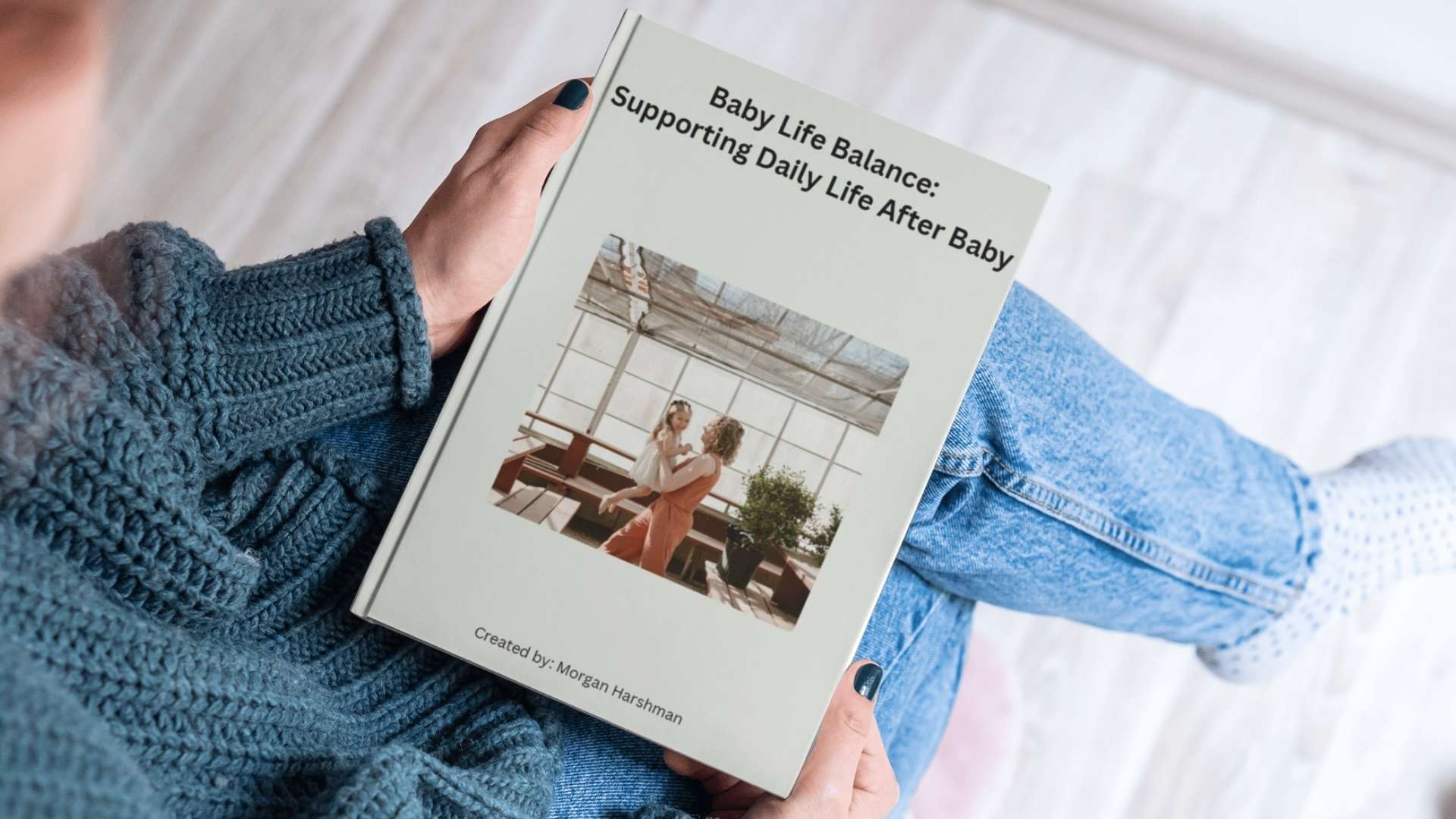
The result of Morgan’s tenure at the pregnancy medical clinic is a 36-page booklet titled Baby Life Balance: Supporting Daily Life After Baby. True Care staff use the document with women who participate in the long-term programs, Baby & Me, the center’s parenting program, and the Resource program, through which patients are connected to community resources like WIC, Casper Housing Authority, OBGYNs, and Medicare. Cheryl Flores, Director of Patient Resources, can even sign pregnant women up for Medicare on-site, preliminarily.

Photo courtesy of True Care Women's Resource Center
Morgan conducted a training with True Care staff to familiarize them with the booklet so that if they have a woman who is struggling with something, such as body image or sleep deprivation, the staff member can use the publication to help address that concern.
“The great thing about this product is that you don’t need an occupational therapist or a nurse to be able to implement and use it,” Morgan said. “It’s written in a language that most people will be able to understand and read. Everything in there is in layman’s terms.”
Baby Life Balance Booklet
Within the pages, readers find information on postpartum, why it matters, and how occupational therapy plays a role in it. The publication also addresses how a woman can take care of her body after birth, whether natural or C-section. It explains postpartum depression and anxiety and encourages healthy ways to view the changing body. Other topics include transitioning into motherhood and balancing roles in life, understanding “mom brain,” calming techniques, easing into daily routines, creating a comfortable space for yourself and simplifying baby care spaces, and encouraging healthy relationships, including setting boundaries with people. There is also room for new moms to write down thoughts and action steps.
“Everything is designed to be read and taken in quickly,” Morgan said.
Morgan said she chose “themes” that resonated from her own experience as a new mom, research she conducted, and follow-up with True Care patients who had their babies. Fatigue and body image were among the common themes, she said.
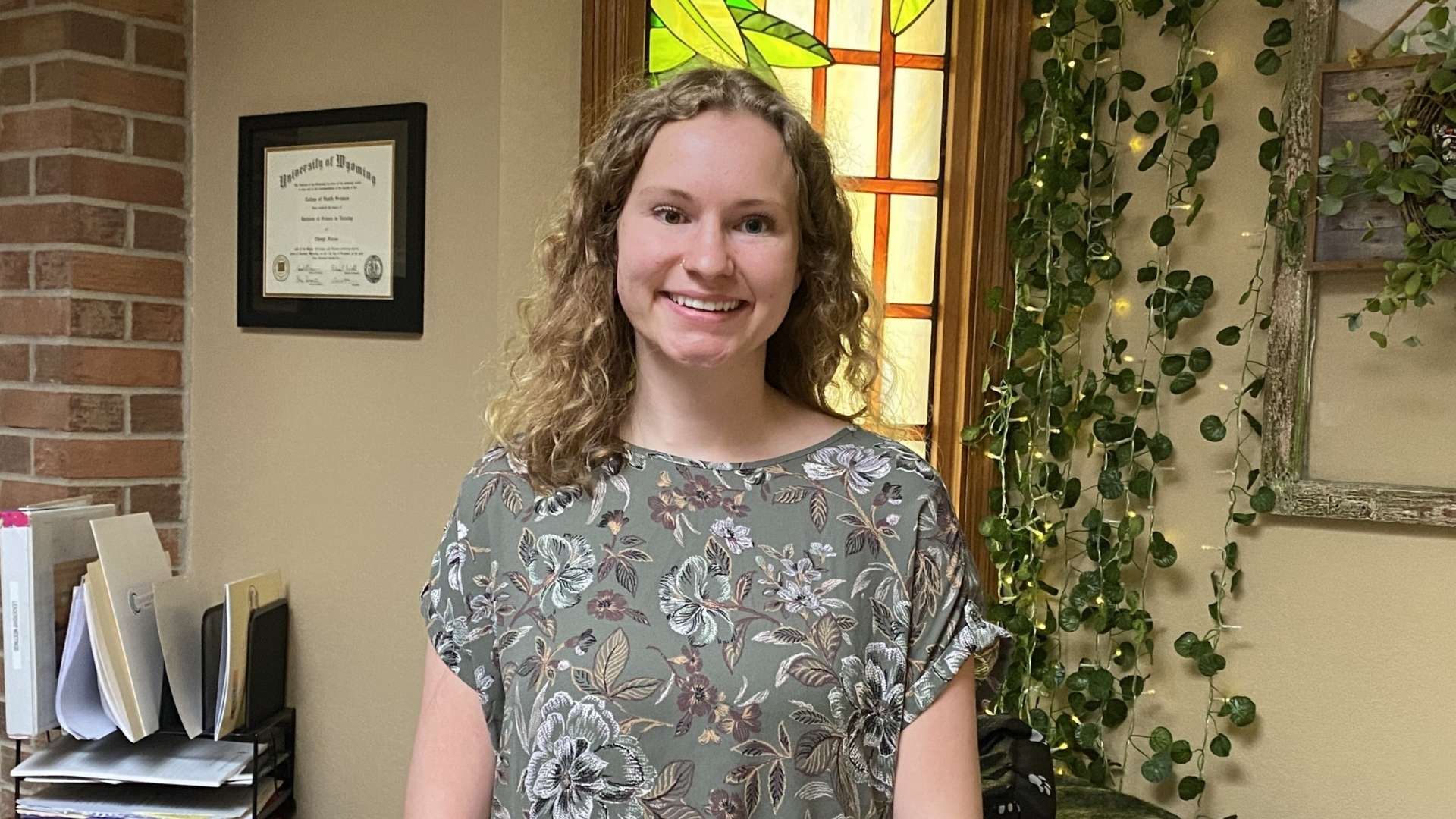
Photo courtesy of True Care Women's Resource Center
She did her internship and will obtain her degree through the University of North Dakota.
Morgan attended the American Occupational Therapy Association Conference in late April to present her work to colleagues from around the nation.
“I want people to know that this is an area where OT can be beneficial, and where we should expand,” she said. “Occupational therapy looks at the whole person. It’s holistic. We look at all things that’s causing challenges [in a person’s] life, and we address that.”
True Care is open to sharing the guidebook with other PHOs, Baxter said. It’s in PDF format and can be emailed to interested centers that contact her via
She and her team are excited to implement this new product.
“The Woman at the Well Culture infiltrates everything that we do and everyone that we meet,” Baxter told Pregnancy Help News. “To be able to come to a woman in one of our programs and say, ‘We have an entire booklet here just focused on YOU’ shows her, ‘We value you, we’re so glad that YOU are here, YOU were made in God’s image.’ We want to convey that spirit to her. She’s God’s beautiful creation.”