



Do we really grasp the full reality of chemical abortion? To do so means acknowledging that it has all but taken over the abortion landscape.
We used to worry about back-alley abortions - the kind that were “off the books.” Unsupervised. Illegal. Unmonitored. Dangerous.
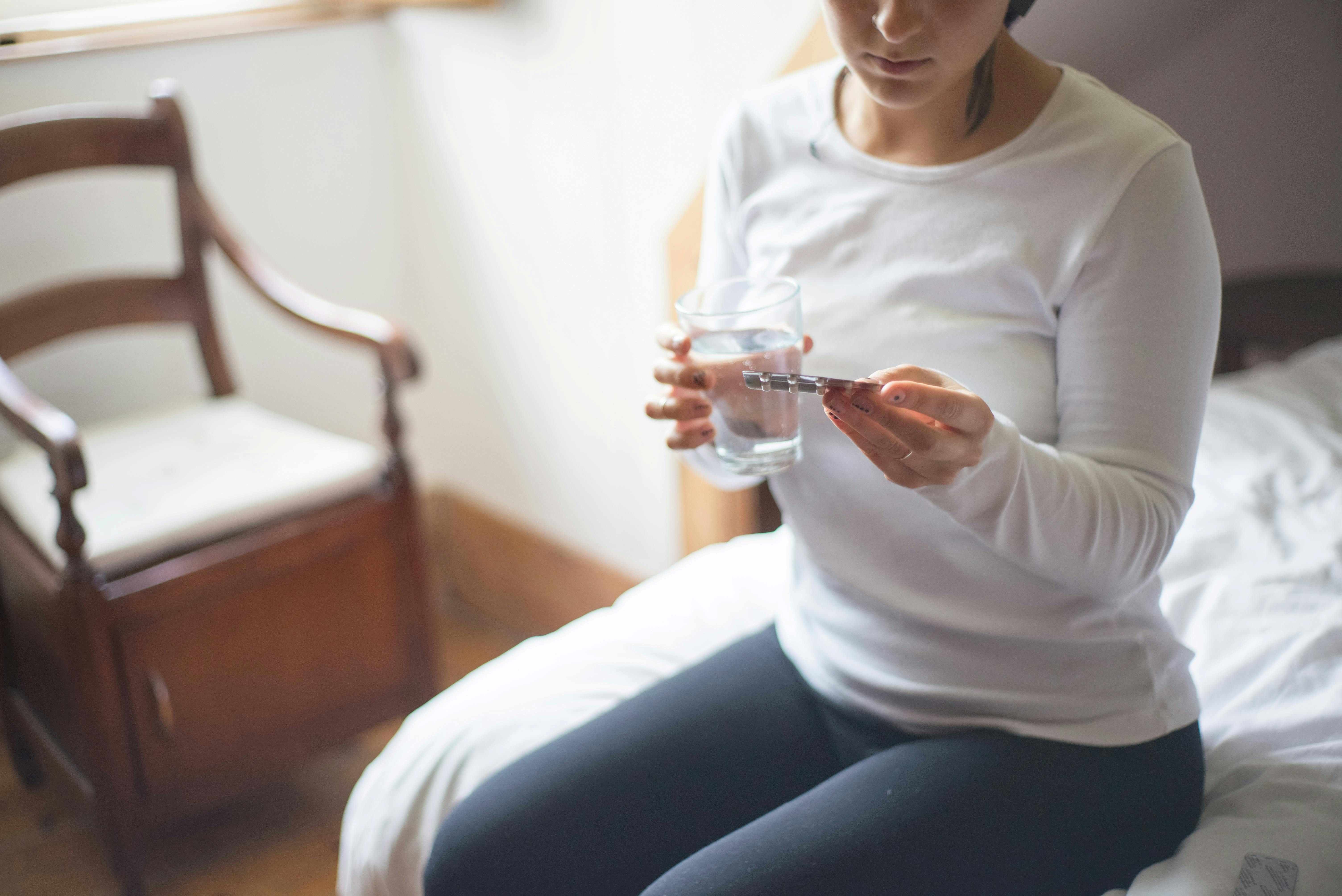
Welcome to the back alley of today, a woman’s bathroom.
Chemical abortion, also called medical abortion, the abortion pill, or abortion drugs, is not the same as chemical birth control or Plan B “emergency contraception.”
It is a two-pill regimen of mifepristone, which blocks the progesterone in a mother’s system that the unborn baby needs to live, and misoprostol, causing contractions with the intent of emptying the uterus.
Chemical abortion now makes up at least 63% of abortions in the U.S., with some estimates significantly higher.
Let that sink in.
Six out of 10 women are not going into an abortion provider for a surgical abortion. They are either visiting an abortion center to pick up the pills or ordering the pills online, with or without a telemedicine consultation, and having the pills mailed to them. Some abortion facilities still only give the first pill to women but as online sellers rise in the market many brick and mortar abortion providers are now giving all the pills to the women to start their abortion at their convenience.
This risky scenario is aside from the potential and likelihood of coerced abortion with all but unregulated mail-order abortion drugs.
It didn’t used to be quite this bad.
[Click here to subscribe to Pregnancy Help News!]
There was once a REMS (Risk Evaluation and Mitigation Strategy) in place that required in-person dispensing of the abortion pill by a qualified provider, and the woman signing an informed consent form. With this, a woman was given the sense that she needed in-person care, that an ultrasound might be important before she goes through with this.
Now, she’s being told she can have “do it yourself” abortions on Tik-Tok.
When mifepristone first on the market in 2000 it was only approved up to 7 weeks in pregnancy, considered “safer” in earlier pregnancy. But at 7 weeks, the gestational sac has already become clear - and the baby would be visible.
That, and the fact that since 2016 mifepristone is approved up to 10 weeks in pregnancy, and it’s not hard to imagine the potential for trauma women who take the drug are facing today.
There are numerous resources available on chemical abortion to foster understanding of the moment that the pro-life movement currently finds itself in.
- Last year, the EPPC released a study that reveals the real risks of chemical abortion are higher than reported - with one in 10 women having a serious complication.
- The American College of Pediatrician’s paper goes into some of the history.
- AbortionDrugFacts.com and lozierinstitute.org/getthefacts/abortion-drugs/ by the Charlotte Lozier Institute have some of the best scholarship and statistics on the abortion pill.
- Little Pills That Kill from And Then There Were None has a clearinghouse of personal stories of women who’ve been through taking the pill and abortion workers who’ve seen the effects before leaving the industry.
- Some client-facing websites do a good job of listing side effects. These include abortionpilltalk.com, itsthepill.com, and athomeabortionfacts.com
- Thisischemicalabortion.com by Students for Life also has a docuseries to help explain specifics of the abortion pill. Students for Life has also been asking whether there are environmental implications to this, which is also explored on https://abortioninourwater.org/ but countered byhttps://secularprolife.org/2025/07/are-abortion-pills-harming-the-environment/#Is_this_argument_true. It’s an interesting debate, but certainly not necessary to argue that there are environmental harms to see the harm to women and babies.
Despite the claim that early chemical abortion is safe there are chemical abortion risks even in the first trimester, yet women are told chemical abortion is safer than over the counter pain relievers.
Tweet This: Despite the claim that early chemical abortion is safe there are chemical abortion risks even in the first trimester.
But now there are experimental and dangerous efforts to expand chemical abortion past the gestational age limit of the FDA and with the lax regulations surrounding the drugs there is no guarantee that it’s not being distributed beyond the gestational limit.
There are also pro-abortion plans to, if mifepristone is banned or restricted, to move to misoprostol-only abortions at home, also presenting significant risk for women.
When it comes to chemical abortion, it could be argued that many are naive about the depth of the problem and the trauma of the experience. Given the current landscape – with the REMS removed and pills being sent in the mail, what can the pregnancy help community do?
If a woman has already ordered abortion drugs, has them in her house, she should be considered in the middle of an abortion. How do we reach and serve her?
Pregnancy centers can consider utilizing professional marketing for specific assistance with this.
While the subject of disagreement in the movement, those who utilize pre-abortion screening have the opportunity for more options counseling.
Raising awareness of Abortion Pill Reversal (APR) is an important way to address chemical abortion.
An updated application of a protocol used since the 1950s to prevent miscarriage, APR has a record of safety and efficacy, with successful reversals occurring 64-68% of the time. Heartbeat International manages the Abortion Pill Rescue Network and a 24/7 helpline for women who have taken the first abortion pill and desire to reverse their chemical abortion. Statistics show that to date more than 8,000 lives have been saved with the APR protocol.
Abortion pills don’t always “work” so offering or fostering access to medical care after abortion is also key. Whether or not an abortion has succeeded in ending the unborn child’s life it’s an opportunity to connect the mom to healing and ongoing medical referrals should she need them.
The experience of chemical abortion is traumatic immediately, so tailoring after abortion-care to be prepared for this is especially important.
We need to employ creativity and heightened responsiveness however we can as we seek to serve women in this moment where chemical abortion is the norm. The good news is that the pregnancy help community is there for her, no matter what she chooses, with love, compassion, redemption, and hope.
A comprehensive list of resources is available HERE.
Editor's note: Heartbeat International manages the Abortion Pill Rescue® Network (APRN) and Pregnancy Help News. Heartbeat is currently the subject of two lawsuits brought by state AGs concerning sharing information about Abortion Pill reversal.