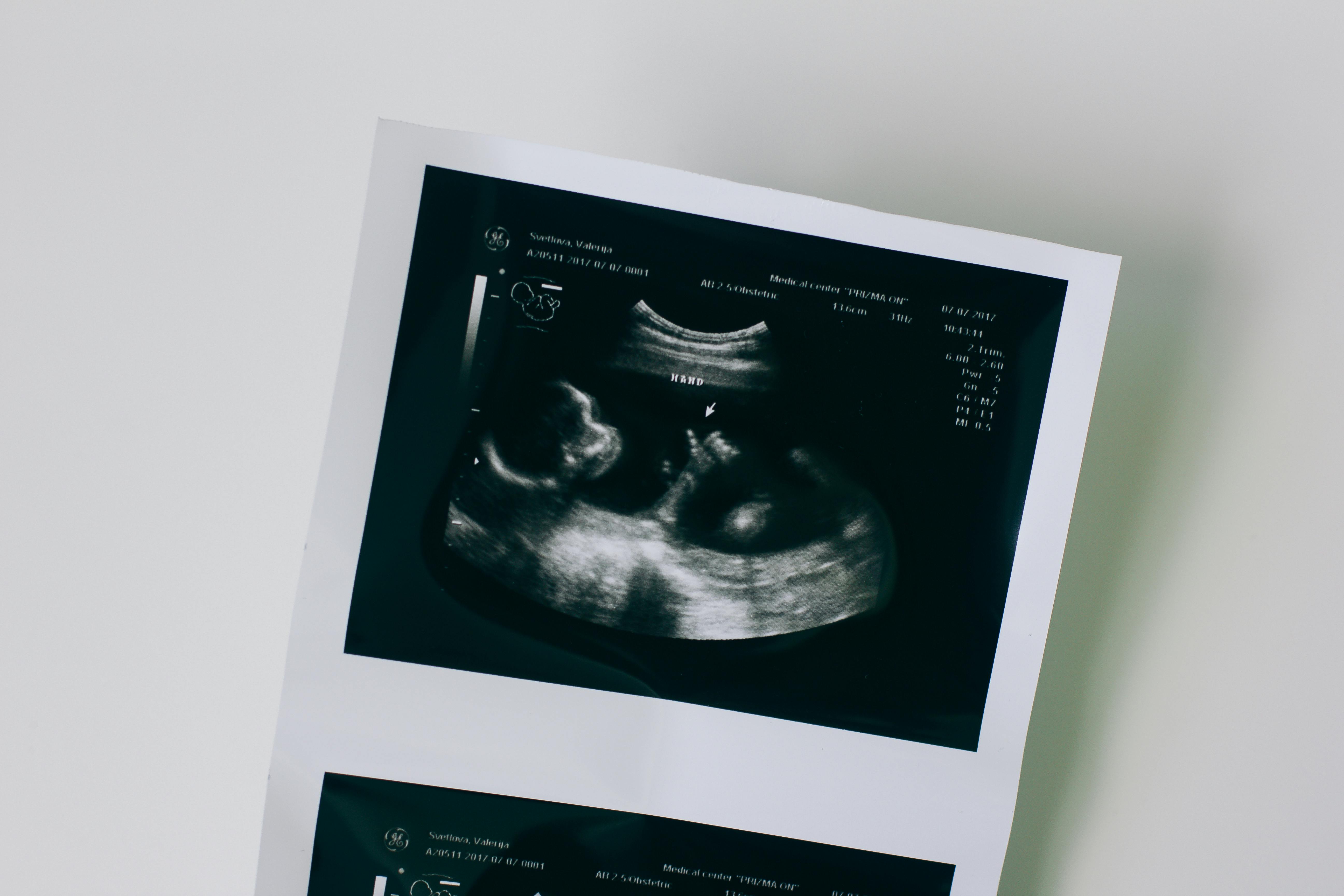





The creativity and cruelty of abortion providers to end lives with atrocious procedures and cocktails of chemicals are never in short supply.
With mounting evidence of the dangers of the abortion drug mifepristone, some in the abortion industry are looking to pivot to an alternative to keep abortion available any time, any place, no matter the cost of human life.
What is the standard abortion regimen in 2026?
In 2026, the most common type of induced abortion throughout the world is the combination of mifepristone/misoprostol.
Abortionists have shifted away from older surgical methods even for pregnancies that are beyond the FDA approved gestational limit for mifepristone.
Chemical abortion with mifepristone/misoprostol is the most common method of abortion in middle-high income countries and increasingly in low-income settings where access to surgical facilities is limited.
[Click here to subscribe to Pregnancy Help News!]
Despite its singular label of “abortion pill,” the process actually involves two different drugs, given at two different times, for two different purposes.
The first is mifepristone, which blocks progesterone and works to break down the pregnancy and end the life of the growing child. The second part of the process is initiated with the drug misoprostol which expels the pregnancy and baby from the uterus.

Mifepristone is currently approved for abortion in 100 countries worldwide.
Misoprostol, on the other hand, is indicated only for the prevention of NSAID-induced gastric ulcers in patients at high risk of complications from gastric ulcers, as well as patients at high risk of developing gastric ulceration. It is not indicated for induction for abortion.
Are there red flags not to use misoprostol for abortions?
While it’s not approved by the FDA for abortion, the manufacturer, Searle, has issued a warning letter about its use in pregnant women. The drug also has a black box warning for use in pregnancy due to risk of uterine rupture. Boxed warnings are the strongest safety warnings issued by the FDA.
Serious adverse events reported following such off-label use in pregnant women include maternal death, uterine hyperstimulation, rupture or perforation requiring uterine surgical repair, hysterectomy or salpingo-oophorectomy, amniotic fluid embolism, severe vaginal bleeding, retained placenta, shock, fetal bradycardia, and pelvic pain.
How many women world-wide opt for “misoprostol-only” abortion?
The exact number of abortions worldwide or a percentage of misoprostol-only versus combination abortions is not known since so many occur outside formal health systems. There is no single source that provides a current worldwide breakdown.
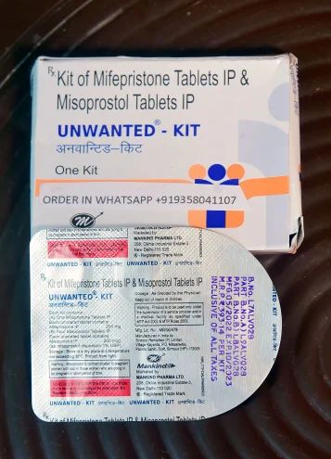
In the U.S., combined regimens of mifepristone/misoprostol dominate clinical data, with misoprostol-only rare in formal care. Organizations openly flout abortion laws to provide mifepristone/misoprostol in all 50 states in the U.S. Abortion kits with both drugs are available inexpensively through an abundance of online and telehealth providers.
Only in areas where mifepristone is inaccessible, such as Latin America, certain parts of Africa, Asia, and some developing regions, women must rely on misoprostol alone. In contrast, with more affluent countries having good access to mifepristone (most of Europe, parts of Asia, such as China and India) combined regimens dominate the market.
The combined regimen is preferred by providers and more common in clinical settings due to its effectiveness and fewer side effects.
Misoprostol is used in medical settings by obstetricians off label to induce labor (typically 25 to 50 micrograms administered vaginally) and to manage miscarriage but only with close supervision. In contrast, during the abortion process, multiple doses of misoprostol are prescribed at higher doses than used during labor and women must manage their own symptoms.
Misoprostol is commonly available over the counter and at a low cost. Although most women use mifepristone/misoprostol for abortion, nurses at the Abortion Pill Rescue Network receive calls from women in developing and least-developed countries who turn to misoprostol when seeking abortion.
With an abundance of telehealth and online options now in existence, women typically are able to purchase the mifepristone/misoprostol abortion kits.

How is misoprostol-only different from mifepristone/misoprostol abortion?
Without mifepristone breaking down the pregnancy and ending the life of the baby at the start of the abortion process, the pregnancy is thriving and attached to the uterine lining. With the intake of misoprostol, strong contractions begin suddenly.
Because a healthy woman’s body protects a healthy pregnancy, many doses of misoprostol are typically needed to empty the uterus.
Dr. Mitch Creinin, a consultant for abortion pill manufacturer Danco, and the father of the abortion pill, admitted to MedScape Medical News that the misoprostol-only protocol is not as effective as the combination treatment and requires much higher doses, stating, “To get misoprostol by itself to have relatively high efficacy, you have to use multiple doses. It causes significantly more side effects, and it's less effective."
Organizations with political, rather than medical agendas, like the American College of Obstetricians and Gynecologists (ACOG) and the World Health Organization, have consistently set abortion as their priority, rather than the wellbeing of women and children.
They continue to advocate for all abortion including the one-medication protocol as an “acceptable choice” and sadly dismiss the safety of women in their pursuit of ending as many pregnancies as possible. They admit it is far less effective than combination mifepristone/misoprostol abortion.
What do pro-life physicians conclude about misoprostol-only abortions?
Dr. George Delgado, medical director of Culture of Life Family Health Care in Escondido, Calif., and medical advisor to the Abortion Pill Rescue Network said of misoprostol-only abortion, “Its incomplete abortion rate is much higher than the combined mifepristone-misoprostol protocol. Also, there is a two-to-four-fold increase in birth defects in preborn babies exposed to misoprostol.”
Dr. Christina A. Cirucci, a board-certified obstetrician-gynecologist in Pennsylvania who has published peer-reviewed research on the safety of abortion drugs, and chair of the board at the American Association of Pro-Life Obstetricians and Gynecologists, agrees.
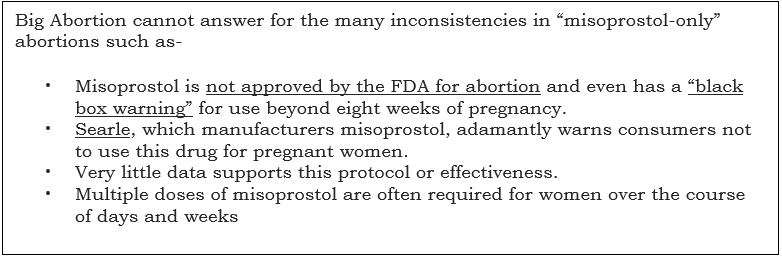
“Misoprostol-only abortion is not a medical advancement,” she said. “It is an inferior, failure-prone protocol promoted for its supposed convenience rather than its safety and effectiveness.”
Tweet This: Misoprostol-only abortion is not a medical advancement. It is an inferior, failure-prone protocol promoted for its supposed convenience.
What do women report?
For patients using misoprostol alone the experience involves days and possibly weeks of a miserable process.
Typically, dosing with misoprostol alone must be repeated a number of times in order to end the pregnancy. The protocol specifies that each patient should receive “three or four doses of misoprostol 800 µg at the clinician’s discretion, plus an additional dose for use in case of need.” This can leave women wondering - How many doses are too many?
The reality is that the misoprostol-only abortion can extend 1-2 weeks before it’s complete and can include symptoms of greater intensity of uterine cramping, nausea, vomiting, fever, chills and diarrhea than the combination of mifepristone/misoprostol.
As a solution to the days or weeks of repeated dosing required to accomplish this type of misery, the sample protocol specifies that clinicians should provide or recommend antipyretics, analgesics, antiemetics, and antidiarrheal medication. It seems, an attempt to cover for the misery and ineffectiveness of this process, abortion providers are instructed to give more medications.
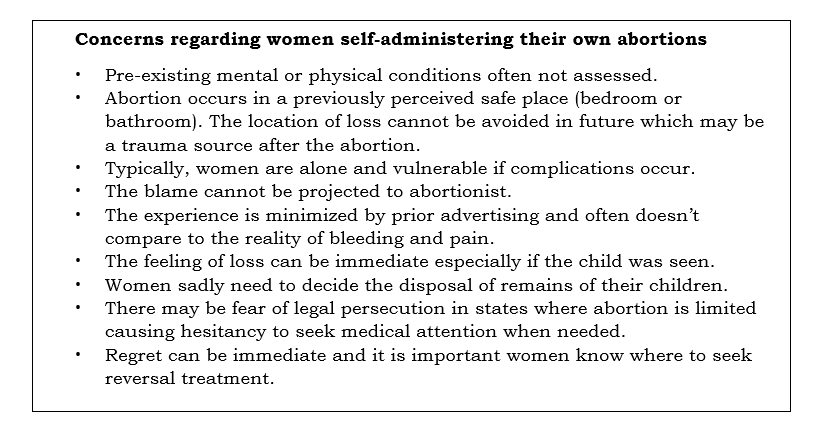
Is this harmful protocol just a threat to those who hope to take mifepristone off the market?
Most abortionists openly admit ss long as mifepristone is still available, they will continue to give the two-drug regimen. If mifepristone becomes unavailable due to the many safety concerns, some have indicated they'd start prescribing misoprostol alone.
Researchers and organizations that claim to have the best interest of women in mind once again are failing to protect women and provide true healthcare.
Women are entitled to safety, truth, and supportive data that is free of political bias. They deserve reliable research that puts their safety in the forefront and transparent outcomes by fair-minded scientists.
Misoprostol abortion-- and the pseudo-science used to back it --provide none of this.
Editor's note: Heartbeat International manages Pregnancy Help News.