



Heartbeat International has asked a federal court to reinstate the in-person dispensing requirement for chemical abortion drug mifepristone while a key court case centered on coerced abortion moves forward.
Heartbeat filed an amicus brief in State of Louisiana v. U.S. Food and Drug Administration urging the court to suspend the 2023 REMS for mifepristone and direct the FDA to enforce the in-person dispensing requirement for the drug or otherwise enjoin the FDA’s enforcement of the 2023 REMS.
The state and a Louisiana woman who was coerced to take abortion drugs are suing the FDA over the 2023 REMS allowing out-of-state pro-abortion activists and doctors to traffic the drugs into the state.
The FDA’s REMS, or Risk Evaluation and Mitigation Strategies, is a drug safety program that the U.S. Food and Drug Administration can require for "certain medications with serious safety concerns to help ensure the benefits of the medication outweigh its risks,” according to the FDA.
Mifepristone has a REMS classification, one of 73 drugs with such classification at press time, a small fraction of the thousands of prescription medications approved by the FDA. Mifepristone also carries an FDA Black Box Warning, the highest level of safety warning.
The REMS for mifepristone have been loosened in steps over time under the Obama and Biden administrations, including an initial in-person doctor visit to screen for ectopic pregnancy and other serious conditions, and a follow-up visit to check for life-threatening complications such as internal bleeding and infection. The requirement that abortion providers report non-fatal adverse events to the FDA Adverse Event Reporting System was also eliminated.
Allowing mifepristone to be mailed and dispensed by pharmacies followed, and the Biden FDA permanently removed the in-person dispensing requirement in 2023.
This opened the door for abusers to obtain chemical abortion drugs on-line and force or otherwise coerce pregnant women into taking them and for abortion activists to sell the drugs across state lines where they may be prohibited by law.
[Click here to subscribe to Pregnancy Help News!]
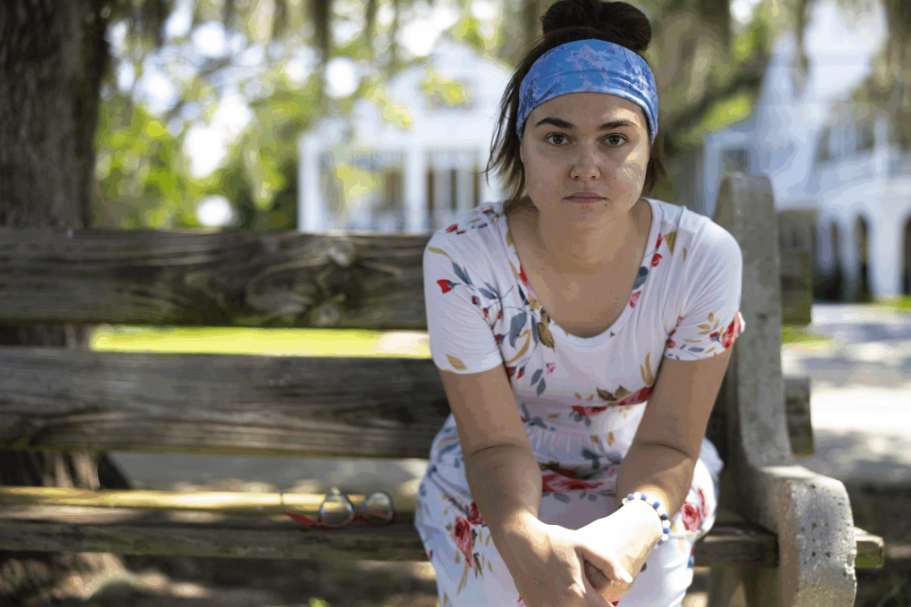
Louisiana v. FDA concerns the case of Rosalie Markezich, a Louisiana woman coerced by her boyfriend to abort her unborn child with chemical abortion drugs.
Legal non-profit Alliance Defending Freedom (ADF) is representing Rosalie.
From the ADF case info:
In October 2023, under immense pressure and fearing for her safety, Rosalie took abortion drugs that her boyfriend obtained via mail from a doctor in California. Rosalie did not want an abortion, but far from empowering her to make her own choice and preserve her autonomy, the mail-order drugs left her feeling trapped and coerced. Abortion drugs killed her child.
Tweet This: Rosalie did not want an abortion, but mail-order drugs left her feeling trapped and coerced. Abortion drugs killed her child.
Heartbeat International, the largest network of pregnancy help organizations in the U.S. and internationally, also manages the Abortion Pill Rescue Network (APRN), a network of nearly 1,500 healthcare professionals, pregnancy centers, and hospitals worldwide that administer the Abortion Pill Reversal protocol, to which pregnant women are connected via a 24/7 hotline.
Heartbeat said in its amicus brief that it is “uniquely positioned to provide relevant factual background on the impact of removing certain health safeguards for mifepristone and misoprostol” … “given its regular interactions with women who have obtained abortion drugs they later regret ingesting as well as women who were coerced, such as Plaintiff Markezich, or even physically forced into taking abortion drugs obtained by others.”
“The Abortion Pill Rescue Network regularly takes calls from women who report that they were coerced or forced into taking abortion pills,” Heartbeat’s brief states, “and these women are urgently desiring to stop the abortion process begun without their consent.”
Heartbeat argued that the FDA’s 2023 REMS “lowered the standard of care for treating a pregnant mother, placing her health at greater risk.”
This increased risk includes medical complications and harm to physical health, Heartbeat argued, along with abortion regret, emotional or psychological complications, and increased risk of coerced or forced abortions.
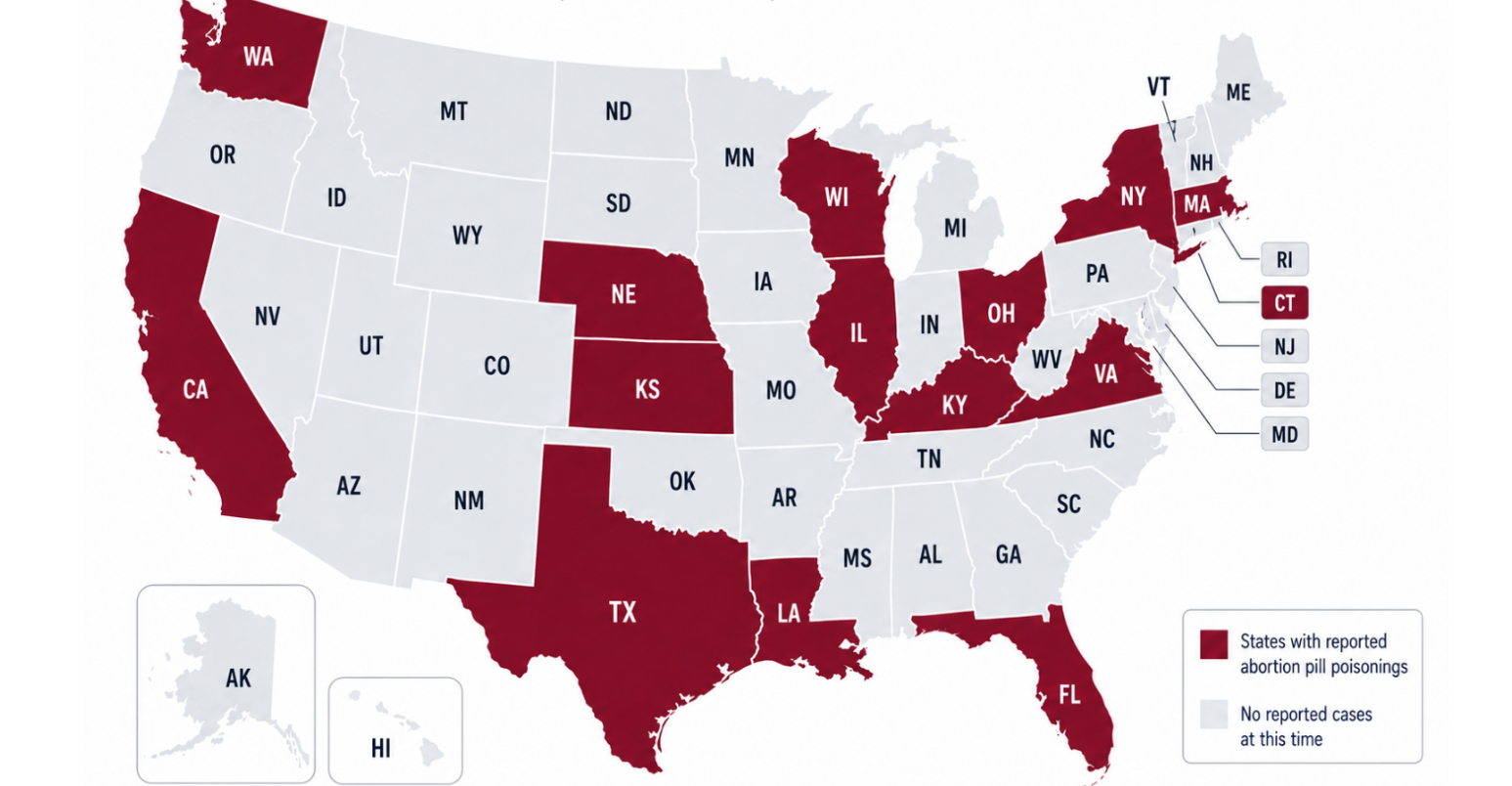
Instances of coerced and forced abortion have increasingly surfaced in the U.S. and abroad.
An Ohio medical resident has been indicted for obtaining abortion pills online using his estranged wife’s name and compelling his pregnant girlfriend to consume them.
Emerson Evans was arrested in Illinois for covertly giving his girlfriend abortion pills to kill their unborn baby.
A man in Ireland pleaded guilty to assaulting a woman and forcing her to take abortion pills, causing the death of her unborn baby.
A Texas woman alleged in a lawsuit that a man killed her unborn child by covertly putting chemical abortion drugs into her hot chocolate.
A federal Bureau of Prisons employee in Texas was arrested for allegedly spiking his girlfriend’s drink with abortion pills.
Catherine Herring was poisoned by her husband after he learned she was pregnant with their third child. Her story went viral and prompted Louisiana’s Catherine and Josephine Herring Act, which went into effect in October 2024 and requires the classification of the abortion pill drugs mifepristone and misoprostol as controlled substances.
Heartbeat International’s brief in support of Louisiana and Rosalie was among 21 states, 60 members of Congress, and 58 pro-life organizations and advocates who filed friend-of-the-court briefs in the case Feb. 13.
ADF Senior Counsel Erik Baptist said the Biden FDA’s authorization of mail-order abortion drugs “was meant to be a loophole around states that choose to protect life.” ADF also said this overrides the people’s choice to regulate abortion in their state and undermines the Dobbs v. Jackson Women’s Health Organization Supreme Court ruling returning the abortion issue to the people’s elected officials.
The largescale filing of amicus briefs in support of Louisiana’s challenge to the 2023 REMS comes following the Trump FDA’s Jan. 27 petitioning of the court to pause the case while it reviews the mifepristone REMS and months of waiting for the FDA to make good on its promise to conduct the drug’s safety review.
A hearing on the plaintiffs’ request for a preliminary injunction is scheduled for Feb. 24 in the U.S. District Court Western District of Louisiana in Lafayette.
Editor's note: Heartbeat International manages the Abortion Pill Rescue® Network (APRN) and Pregnancy Help News. Heartbeat is currently the subject of two lawsuits brought by state AGs concerning sharing information about Abortion Pill Reversal.