



The life-saving Abortion Pill Reversal protocol was among the learning opportunities for hundreds of pro-life young people convened in the Nation’s Capital for the Students for Life of America National Pro-Life Summit.
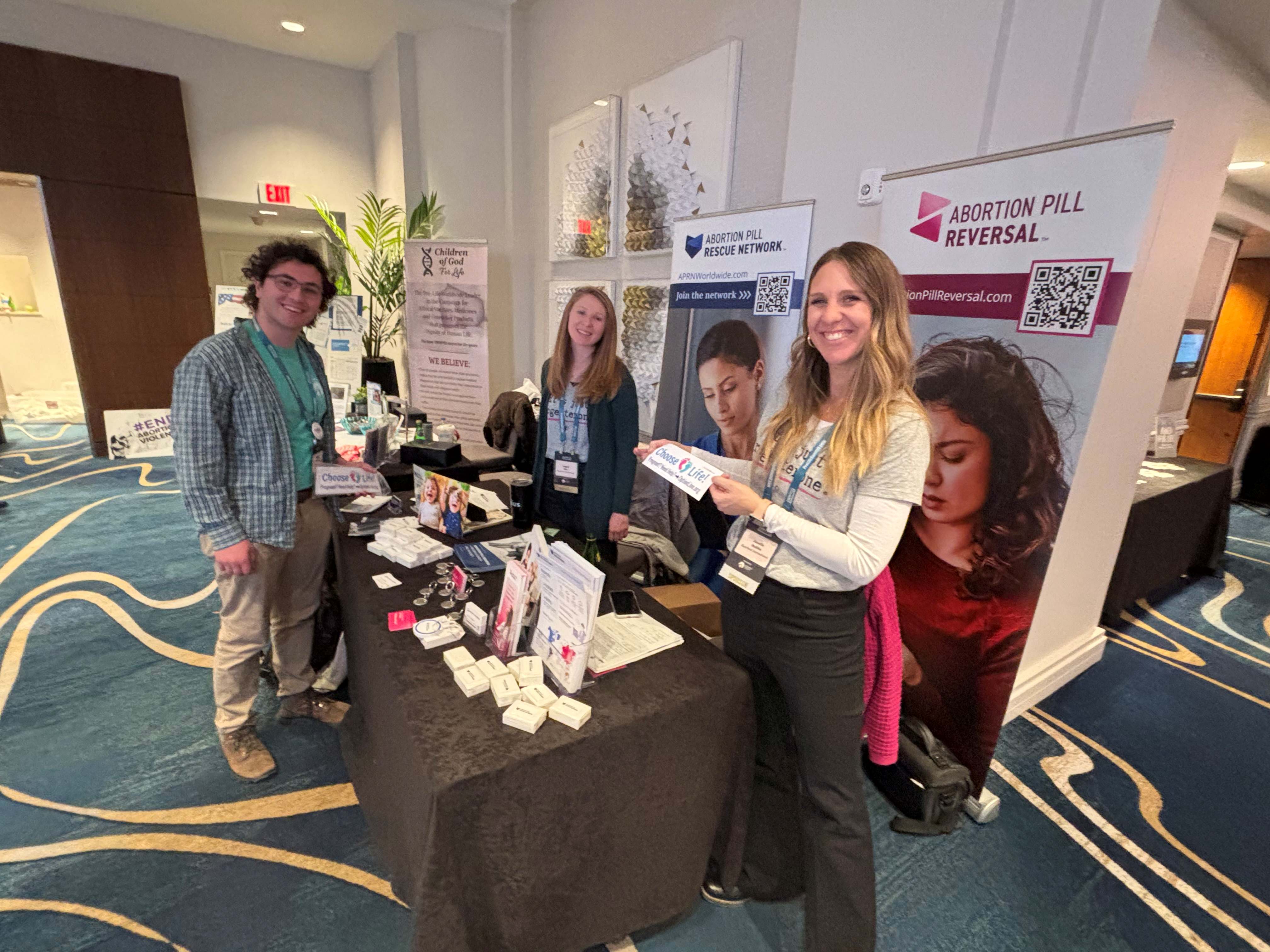
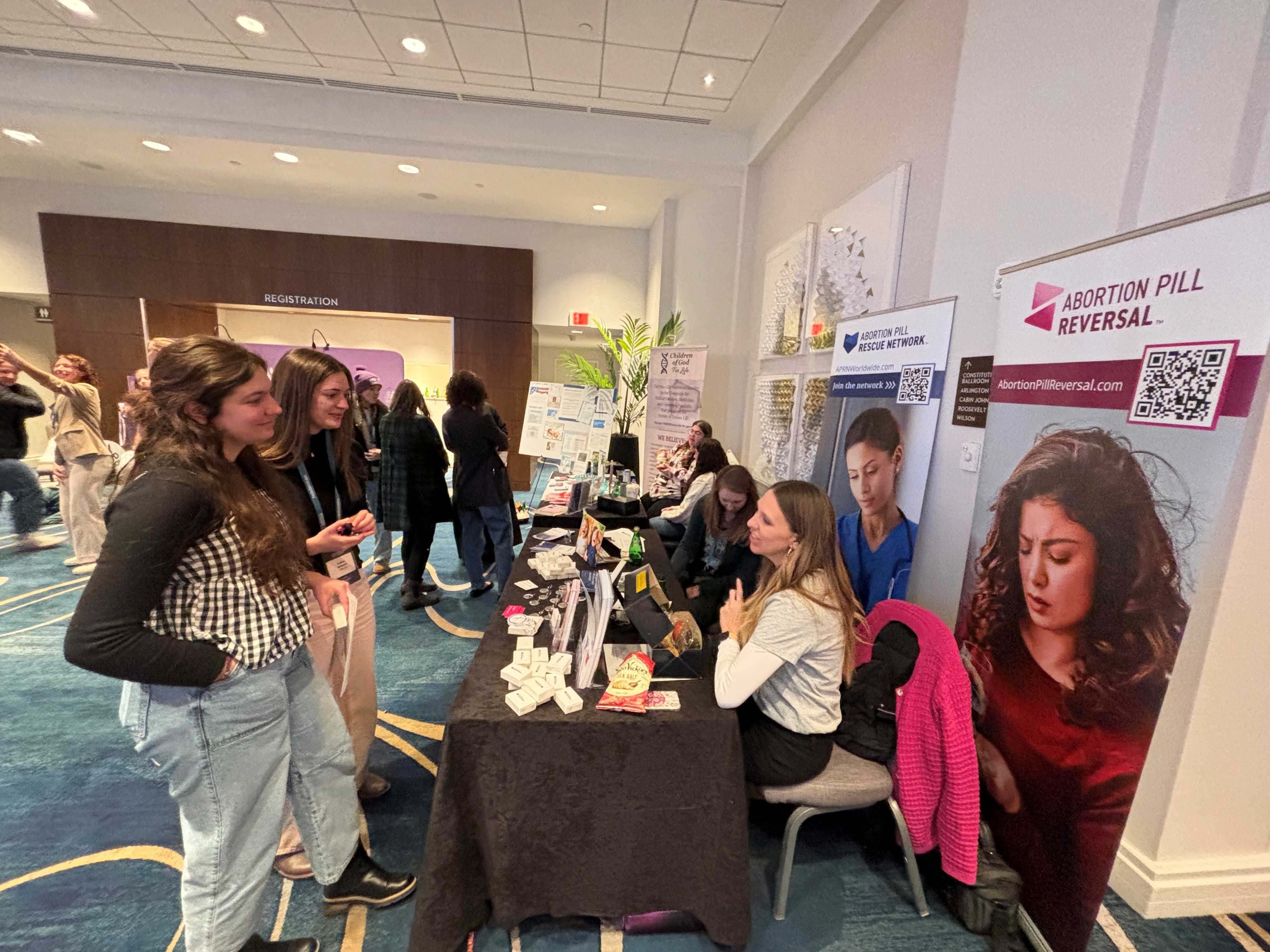
As many as 2,000 pro-life pilgrims gather the day after the National March for Life each year for the summit, and it’s a prime opportunity to raise awareness with the youth in the pro-life movement. Each year representatives with the Abortion Pill Rescue Network (APRN) exhibit the APR treatment, educating young people and others about how it gives women a second chance at choice.
Chemical abortions are behind as much as 70% of all abortions conducted in the U.S. The regimen consists of two drugs, mifepristone, which blocks progesterone in a pregnant woman’s system and starves her unborn baby of necessary nutrients, and misoprostol, which prompts her to go into labor and deliver her deceased child.
With more chemical abortions there have also been more women seeking reversal.
The Abortion Pill Reversal (APR) protocol entails prescribing bioidentical progesterone to counter the effects of mifepristone. It's an updated application of a treatment used for decades to conbat miscarriage.
About 200 women call the APRN each month and start APR, equating to six reversal starts a day. The APRN includes nearly 1,500 healthcare professionals, pregnancy centers, and hospitals worldwide that administer the protocol.
Results are best within 24 hours, but reversals have occurred as long as 72 hours after the mifepristone was ingested. To date, statistics show that more than 7,000 lives have been saved through APR.
[Click here to subscribe to Pregnancy Help News!]
Visitors to the APRN exhibit learn about APR from Network nurses. More than ever this year, as chemical abortion, its dangers and damage dominate the news, the response to the information was one of eagerness and appreciation.
Taryn and Esther attended the summit with Life 139 Union University, the Students for Life chapter at Union University in Jackson, Tenn.
Taryn was excited when she first learned about Abortion Pill Reversal last year and wanted to know more.
Esther had heard about APR prior to this year’s summit as well. Her mother is active in pro-life advocacy and she herself frequents pro-life organizations’ websites.
“I've always wanted to learn more about how the actual network and reversal process works,” Taryn said. “So, it was really fascinating to learn about nurses who are on the hotline. You can actually speak to them, and that that's actually a job. That's pretty cool.”
Esther had accompanied Taryn to the exhibit, having the idea in the back of her mind of using her future career to work with the pro-life cause.
Taryn was impressed by the fact that APRN nurses can combine the work with other nursing work, or family endeavors like homeschooling.
Esther learned about how they connect people to Abortion Pill Reversal.
“So sometimes that is with people at hospitals, but a lot of healthcare providers actually don't know that it exists,” she said. “So often they're directing people to pregnancy resource centers where they have a medical professional who can prescribe the progesterone.”
Taryn wants to work in labor and delivery and has also considered midwifery. She said she was open to considering how to possibly include APR as part of her career.
Before engaging with the APRN nurses at the summit Esther didn't exactly realize how it works and how to get involved. Learning how accessible the APR Network is, she said she was more likely to present it or point people to it.
Taryn said she was curious to learn more about the network and how she can help it to grow.
Esther was open to helping her cohort classmates to understand that APR is an option.
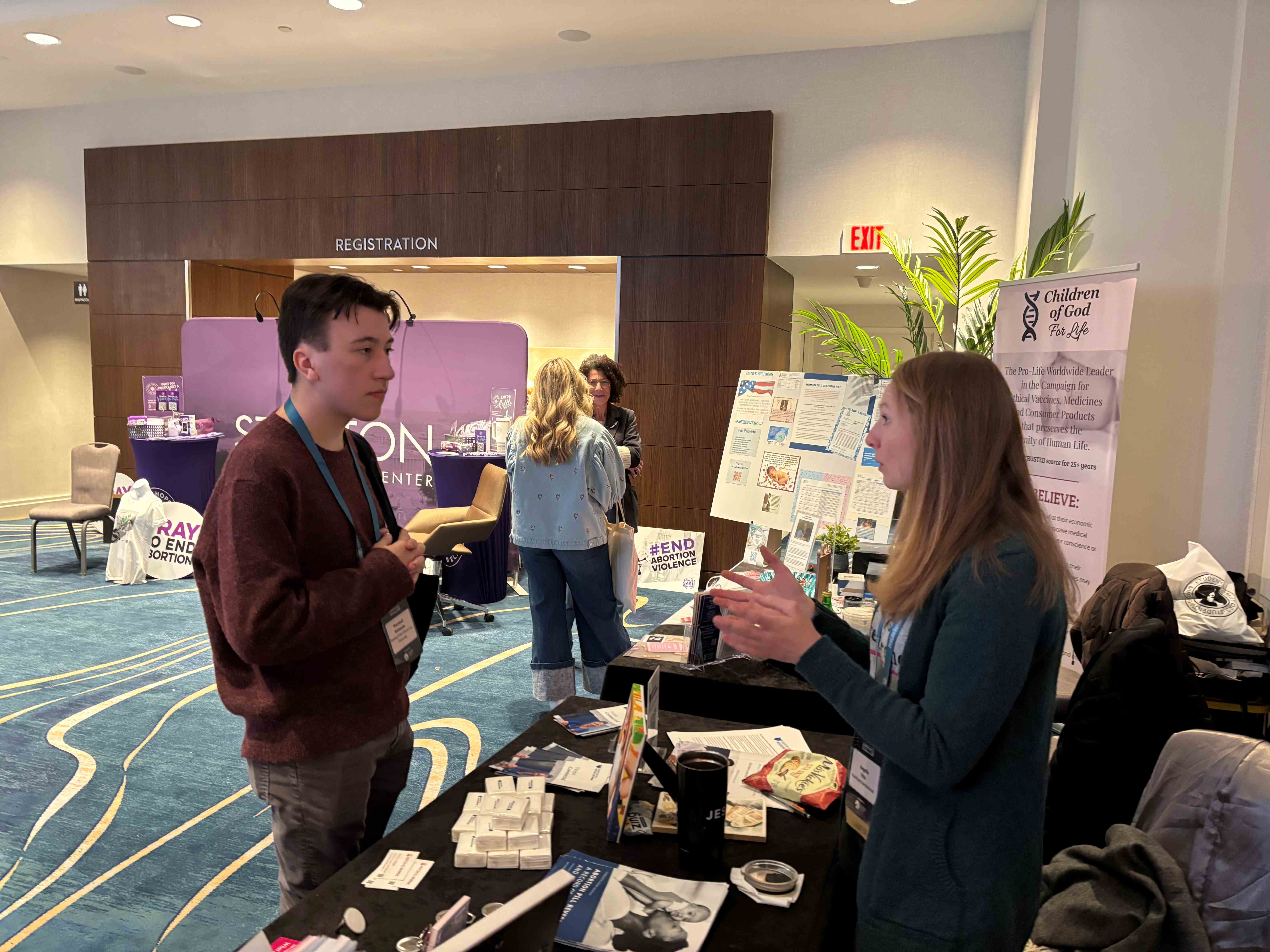
Marshall is the Turning Point USA chapter vice president at Lee University in Cleveland, Tenn.
He did not know what APR was before he approached the APRN exhibit, thinking it was about reversing chemical abortion pill access through law.
“But then I was enlightened by the woman at the stand about what it truly meant and what it does,” he said.
“My goal is to go into politics when I graduate from my university,” Marshall said. “And listening to this, I do believe that this is something that, on an entire state and federal level, should be covered and accessible, county health clinic, city, health clinics, pregnancy centers.”
“It would be a wonderful and great thing that everybody needs to have access to,” he added.
What are his thoughts as a young man about providing this second chance to women?
“I'm a Christian. God designed us individually and perfectly,” Marshall said. “He designed for us to go out and be fruitful and to procreate on the Earth. Abortion takes that opportunity away.”
“With this pill, if a woman takes this, they have the opportunity, depending on when they take it, to minimize any physical distress or injury that they're going to have from the original pill that they took,” he said.
“I have so many friends who have had miscarriages, and they would do anything to be a mother. I know people who haven't had kids yet, and they would do anything,” Marshall said. “I'm not trying to say that it's a woman's duty to be a mother, but if we can help a woman become a mother, even post-abortion, or during a chemical abortion pill in their system, it's something that we need to do as humans. It's being kind to one another.”
“I'm very grateful to find out about this Abortion Pill Reversal,” he said.
Tweet This: I'm very grateful to find out about this Abortion Pill Reversal - Students for Life Pro-Life Summit attendee
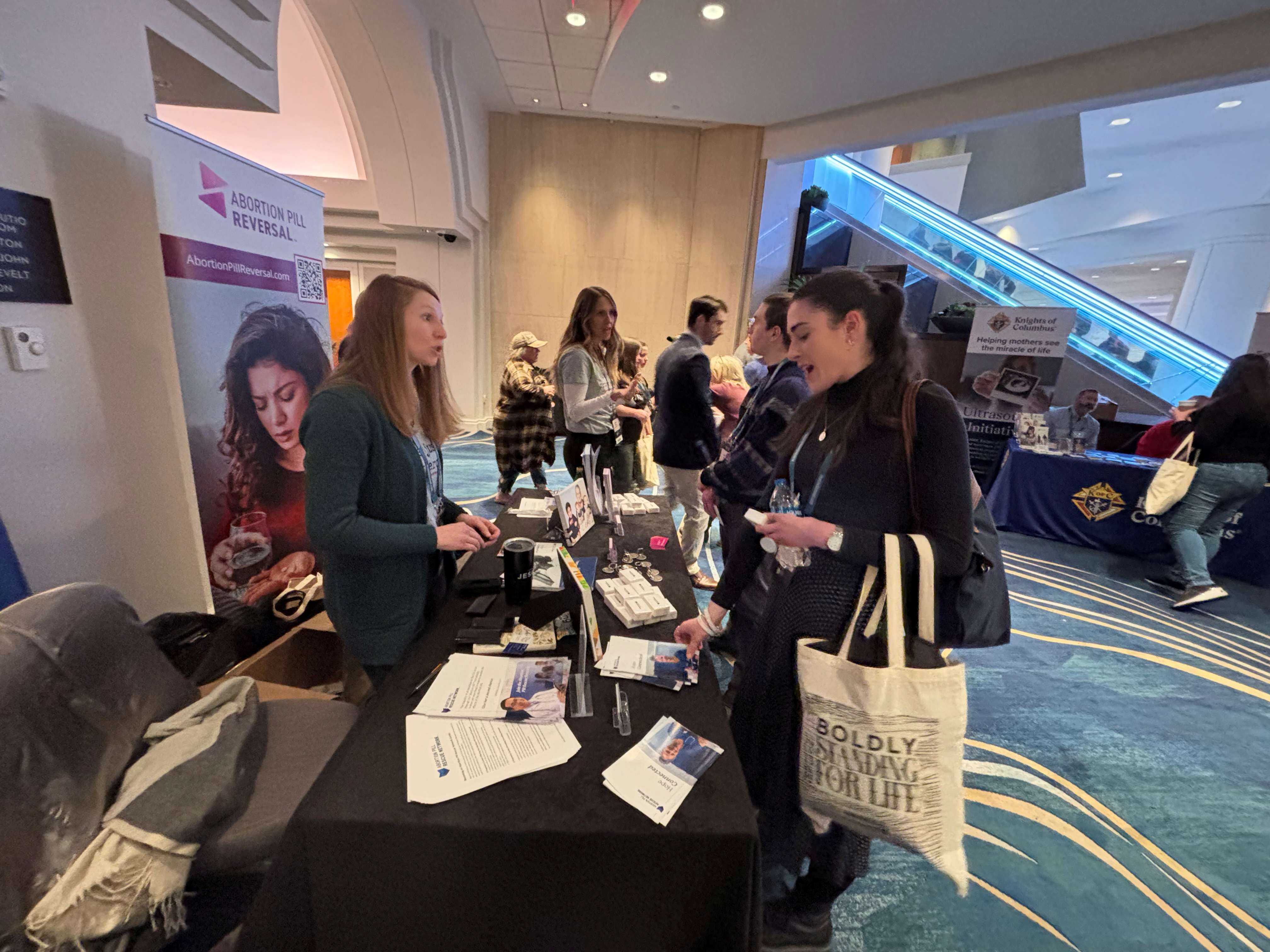
Ryan and came to the pro-life summit with her family. While she is completing nursing school, she is not a traditional student. Ryan currently works as a CNA while studying nursing, and she serves in her mother’s pro-life ministry.
Ryan knew about APR and came to the APRN exhibit to get more information because she has personally received calls from friends during a chemical abortion who were seeking support. She has referred women to the local pregnancy help center for services and offered to accompany them to the emergency room if needed.
Some of the women expressed regret to her later for having a chemical abortion.
Ryan remarked how easily the women were able to get chemical abortion drugs.
She said she would like to have more knowledge of APR to be able to help people, whether professionally or personally.
“Thank God that it's here,” Ryan said of APR. “And thank God that we have systems in play to be able to help the women, and the fathers, figure out what to do next after they've taken the abortion pill.”
Editor's note: Heartbeat International manages the Abortion Pill Rescue® Network (APRN) and Pregnancy Help News. Heartbeat is currently the subject of two lawsuits brought by state AGs concerning sharing information about Abortion Pill Reversal.