



Even though the U.S. Supreme Court overturned Roe v. Wade four years ago, roughly one million abortions still occur in the United States every year. The impact isn’t just experienced by the pregnant woman. The ripple effect of abortion includes parents, siblings, grandparents, and fathers who will never know their own child.
Society for the most part mutes men’s thoughts and input regarding abortion. In our culture, the “choice” is the pregnant woman’s alone.
Some men stay silent, believing abortion is “a woman’s choice.” Still others want to be fathers and involved in their children’s lives, but their girlfriend or wife chooses abortion anyway. And some may never even know their partner was pregnant.
The scenarios vary, but even when a man knows his partner is pregnant and they choose abortion together, men can be affected deeply and negatively by that abortion decision.
Nyles Pinckney is among those impacted in this way.
A young man’s abortion story
A college football star when he was younger, Pinckney’s then-girlfriend told him she was pregnant. Shocked because they “used protection,” they sought answers and help. That assistance turned their thoughts to abortion, something Pinckney said they hadn’t really considered.
But once the seed was planted, his girlfriend obtained the abortion pill. She was told she would “experience a little cramping, a little bleeding, like a period,” he recalled. But what she experienced was worse.
Immediately following a football game one night Pinckney’s girlfriend cramped and bled so badly that he had to carry her to the car.
“She wasn’t prepared for that,” Pinckney told Pregnancy Help News. “They told her, ‘A little bleeding.’ She was in so much pain that she couldn’t walk.”
He said people commented about what a great boyfriend he was, carrying his girlfriend while being tired after a game.
“They, of course, didn’t know the full context as to what’s going on,” Pinckney said. “And while they’re saying what a great boyfriend I am and so strong, I’m feeling so much less than that because I’m feeling that I’m the reason she feels like that.”
Several days later, he was at a game out of town, and she texted him a photo. She had expelled their baby in the toilet.
“The week before it was a blood clot, this time it was the embryo,” he said.
That became a nightmare for both, but something they never talked about. A year later, they broke up.
“We never had the conversation about our abortion experience,” Pinckney said. “She may have had some regret and anger,” he said. “And it may not have been at me, or it may have been at me, but we never talked about our experience to where we could sift through that. We may have wanted to say something to each other, but we didn’t know how to say it or even what to say.”
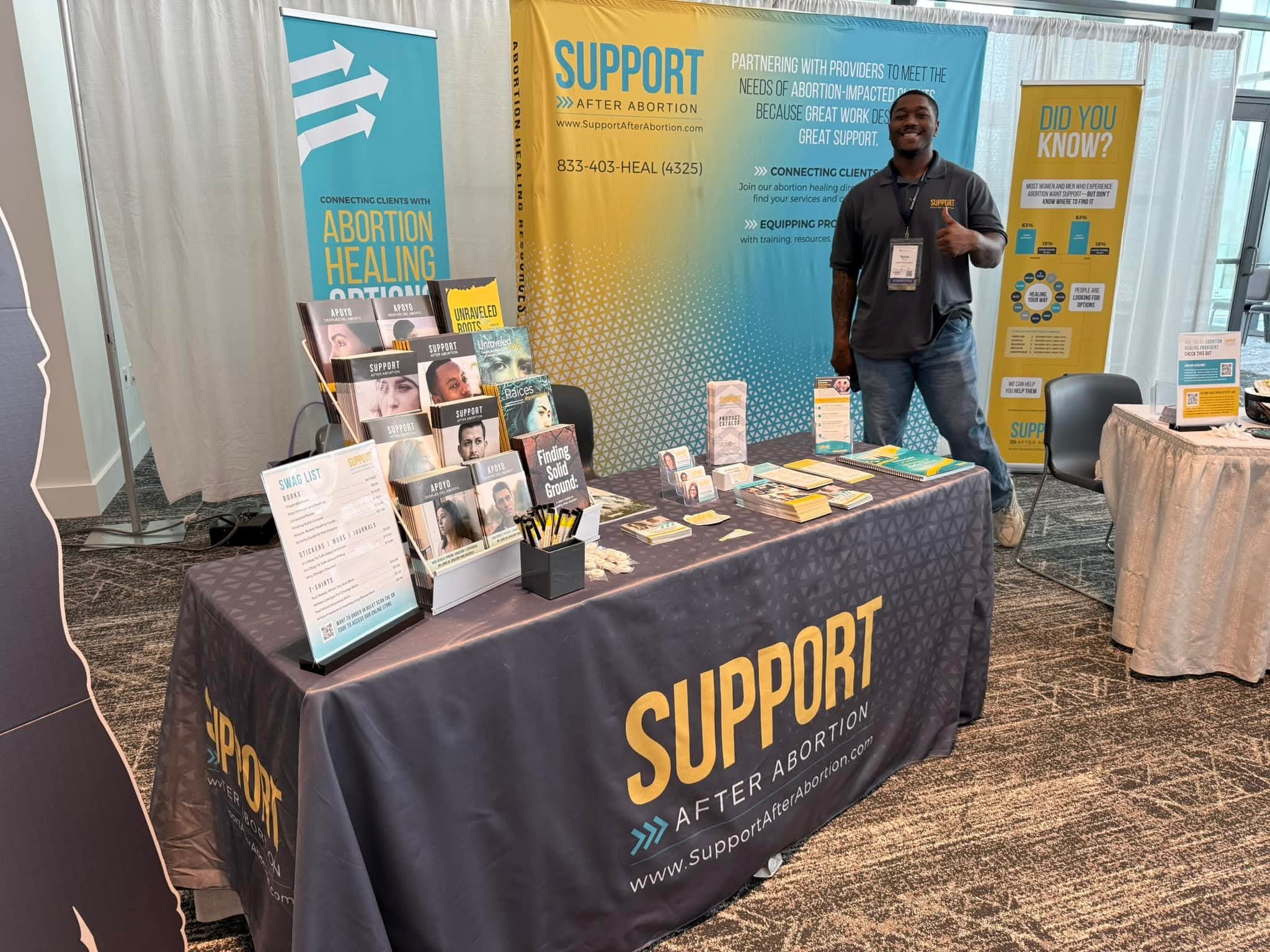
Support After Abortion
Pinckney’s abortion experience with his college girlfriend took place nearly seven years ago. This June, he will celebrate two years serving as the Men’s Healing Coordinator for Support After Abortion.
The national non-profit offers a hotline called The After Abortion Line for those seeking healing and connects callers with providers, including pregnancy centers and clinics, counselors, agencies, and other organizations that offer healing programs. A directory of such resources is found on the website. Support After Abortion also provides materials such as books and healing program study guides and free resources for men and women who have experienced abortion. The organization also provides training for those serving men and women who have experience abortion.
[Click here to subscribe to Pregnancy Help News!]
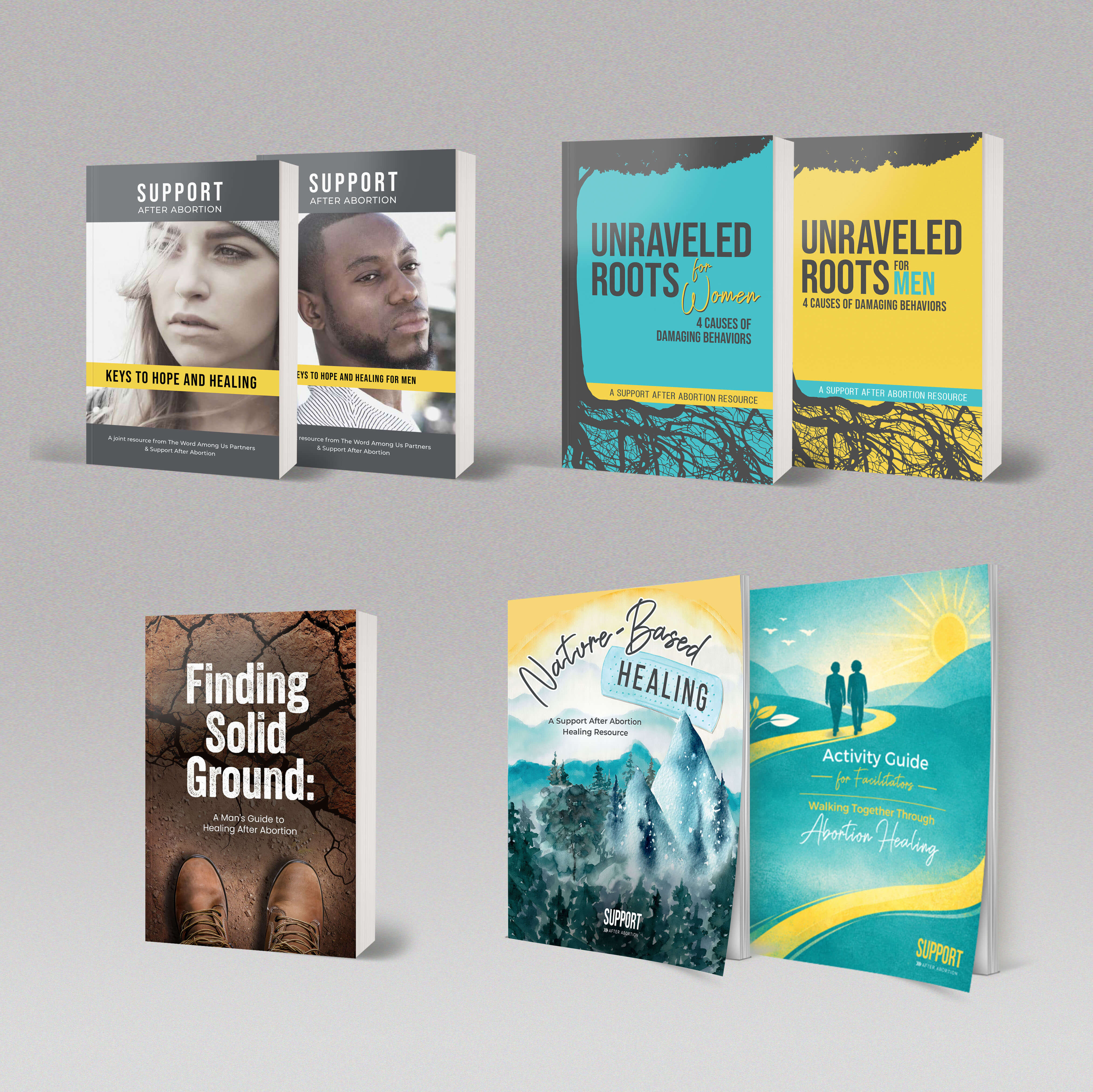
“Since 2024, our reach has included over 426,000 client engagements and 253,000 abortion healing provider trainings,” said Michele Mazelin, the organization’s communications manager.
Helping men navigate the abortion experience they had with their partners is Pinckney’s primary focus with Support After Abortion.
“We want to meet these men with compassion in all the different scenarios and situations,” he said. “Each is different, and every emotion that comes along with it is different. Some may have more grief. Some may have more anger. Some may not know what they’re dealing with.”
Empathy is also important, he added.
Men are less likely to share their negative emotions, even among one another, than women, Pinckney said. Therefore, Support After Abortion offers both group and individual or self-guided options for healing and faith-based and secular resources.
A person doesn’t have to contact the hotline to receive the materials online, Mazelin added.
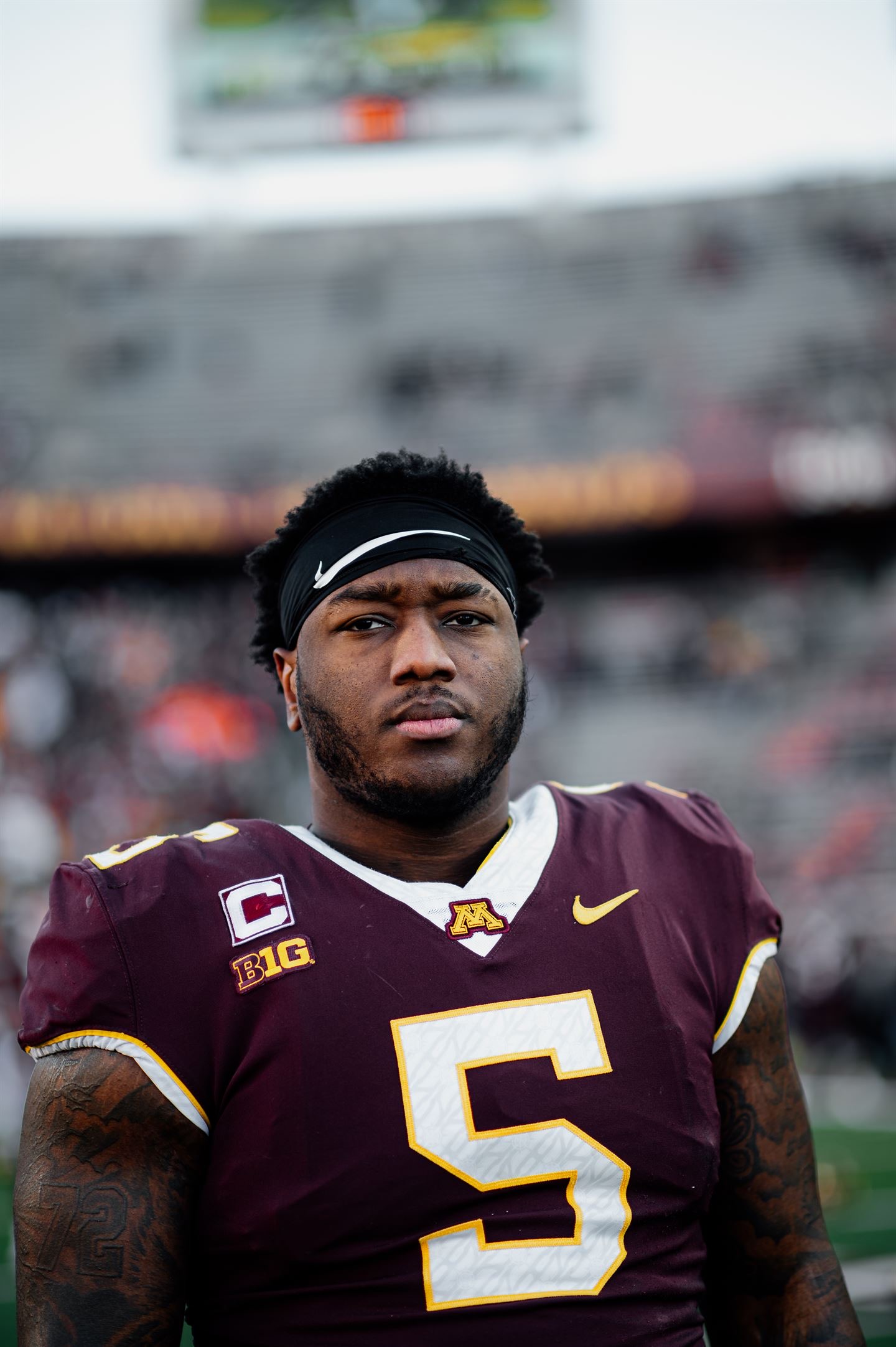
As Pinckney shares his story more often and Support After Abortion grows, more people, women and men, will experience healing, a good thing, given the need.
“Nationally, one in five men will be impacted by abortion by age 45,” Pinckney said. “And in our research, 71 percent of men have seen changes in themselves. I’m a part of that 71 percent. Only 18 percent know where to go to for help.”
Tweet This: "I’m a part of that 71 percent" - Support After Abortion's Nyles Pinckney on the high rate of men impacted by abortion.
“That 71 percent of men experiencing changes in themselves was eye-opening and directly led to our expanding our approach and resources for men,” Mazelin said.
Support After Abortion has a white paper on the impact of abortion on men HERE.
After going through the healing process Pinckney now helps other men find the same, through self-guided programs and resources and through individuals and organizations that offer abortion healing, including pregnancy help organizations.
Pregnancy help organizations that offer an abortion healing program and are interested being included in the Support After Abortion directory can call 833-403-HEAL (4325), visit the website, or email Pinckney at