



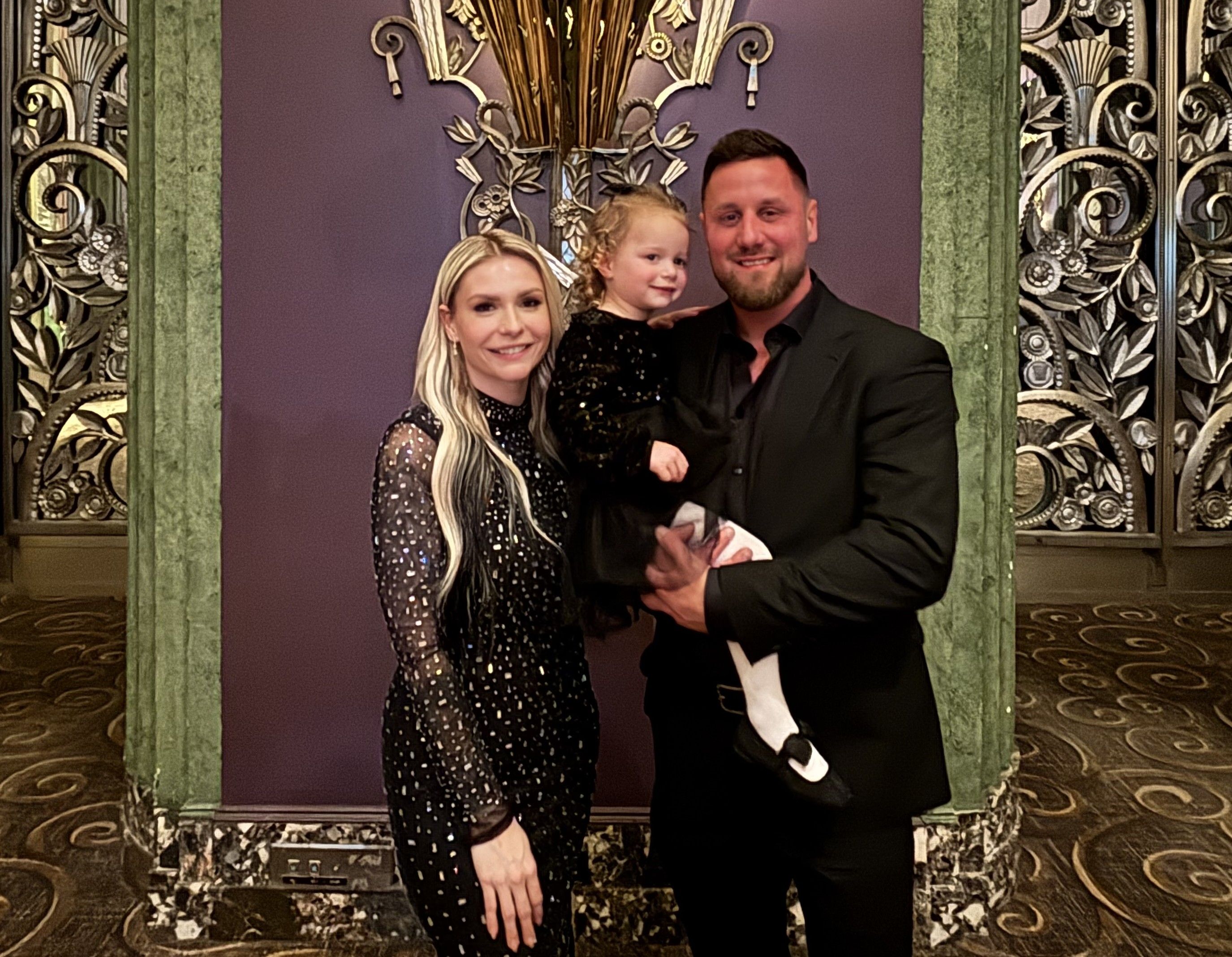
All Sierra ever wanted was to be a wife and a mom. But one day she found herself a single mom with four children in the middle of a divorce, grieving the loss of her sister, and facing her first unplanned pregnancy.
“If you had asked me years ago what I thought about abortion, I would have had a very simple answer,” she said. “I couldn't understand how a woman would do something like that.”
“But life has a way of humbling you,” Sierra said.
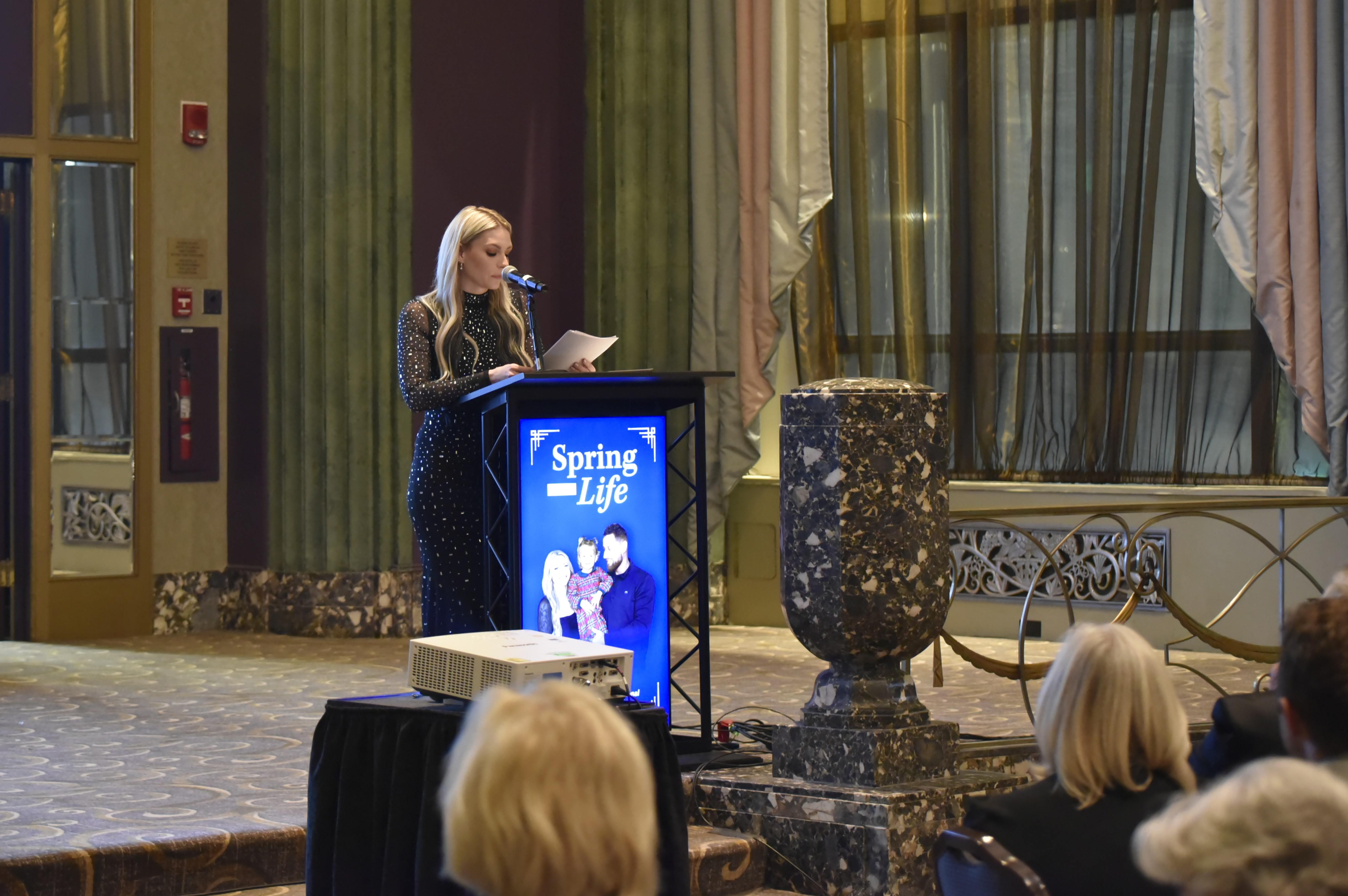
Sierra shared her story of fear leading to abortion, followed by life and redemption earlier this spring at a gathering for Heartbeat International’s Annual Pregnancy Help Conference.
The largest network of pregnancy help organizations in the U.S. and the world, Heartbeat manages the Abortion Pill Rescue Network, which served Sierra after she started a chemical abortion, had regret, and wanted to try to save her unborn child.
[Click here to subscribe to Pregnancy Help News!]
Chemical abortion
Chemical abortion consists of two drugs, mifepristone, which blocks progesterone in a pregnant woman’s system, starving her baby of necessary nutrients, and misoprostol, taken a days later, which prompts her to go into labor and deliver her deceased child.
Chemical abortion now accounts for at least 63% of abortions in the U.S., with some estimates significantly higher.
Abortion proponents regularly claim that chemical abortion is as safe as over the counter medications and causes women effects equating to nothing more than a heavy period.
Pro-life and pregnancy help advocates note data showing otherwise, including research from the Ethics and Public Policy Center (EPPC) research released last year showing that mifepristone is 22 times more dangerous than previously recognized in FDA data, with nearly 11% of women experiencing sepsis, infection, hemorrhaging, or another serious adverse event within 45 days of taking the drug. Even prior to the EEPC report the abortion drug had been shown to be four times more dangerous than surgical abortion.
Abortion Pill Reversal
Abortion Pill Reversal, an updated application of a treatment used for decades to prevent miscarriage, offers a potential second chance for women who have taken the first chemical abortion drug and wish to try and save their unborn child.
It entails prescribing bioidentical progesterone to counter the effects of mifepristone. If a woman who has taken mifepristone acts quickly enough it may be possible to save her unborn child. Results are best within 24 hours, but successful reversals have occurred as long as 72 hours after the first abortion drug was taken.
All major studies show that using progesterone to counteract an in-progress chemical abortion (APR) can be effective. A 2018 peer-reviewed study showed positive results with 64%-68% of the pregnancies saved through APR, no increase in birth defects, and a lower preterm delivery rate than the general population.
To date, statistics show that more than 8,000 lives have been saved thanks to the Abortion Pill Rescue Network, a network of nearly 1,500 healthcare professionals, pregnancy centers and hospitals that administer the APR protocol.
Sierra shares her APR story
Like many women facing unplanned pregnancy who feel abortion is their only choice, Sierra was overwhelmed with fear, uncertainty, and asking herself questions she never thought she would ask.
“Fear has a powerful voice,” she said. “And in that moment, fear was louder than anything else.”
She questioned how she would be able to do this as a single mom and provide for her kids, and what people would think.
Sierra said she let fear convince her that the only option was to have an abortion.
“So, I found myself calling Planned Parenthood,” she said.
On a three-hour drive to the abortion facility, she was praying for a sign, something to show her that I didn’t have to do this.
“Anything,” Sierra said, “a text, a call, a song, a sign on the side of the road, and there was nothing.”
Heaviness and hopelessness at Planned Parenthood
She pulled into the parking lot of the abortion center completely numb and walked into the building to what she said was comparable to the worst funeral you'd ever attended, with about 25 to 30 other women, all carrying the same heaviness and hopelessness that she was.
The Planned Parenthood doctor told her that this was actually safer than delivering her child, that the first pill would stop the baby’s heartbeat and after the second set of pills what she would experience would be like a heavy period.
Sierra asked if the baby would look a baby and Sierra said and the doctor insisted “it” would not.
“I knew in my gut that the things that she was saying were not completely accurate, but fear was still suffocating me,” Sierra said. “So, I took the first pill.”
“Immediately the fear shifted to panic, regret, and so much shame,” she said. “If I had been able to, I would have cut it from my throat.”
Sierra rushed from the building as fast as she could and got into her car, completely hysterical.
She texted her OB-GYN asking if there was anything she could do. The OB said unfortunately no but offered her prayers.
Sierra said she started pleading to God for forgiveness.
“I think I knew in my heart that He would forgive me, but I didn't know if I could forgive myself,” she recalled.
“It's not too late”
“As I started to pull out of the parking lot, completely broken, a sign in the grass right outside the clinic caught my eye,” she said.
The sign said, “If you took the first pill, it's not too late.”
“There was my sign,” said Sierra. “That was the first glimpse of hope I had had in months.”
She pulled over and typed that exact phrase into a Google search, and the Abortion Pill Rescue Network phone number came up.
“I called that number immediately, and the sweetest voice on the phone answered,” Sierra said.
She explained that she had taken the first abortion pill and needed to know what the sign outside the abortion facility meant.
“Her response was, we can help, and no matter what, you're going to be okay,” Sierra said. “She wanted to make sure that I was safe, and that I was okay more than anything in that moment. She was there for me.”
There was no shame in her interaction with the APRN nurse, she said, nothing but kindness and love.
“And that was everything was me,” Sierra said. “I had felt so alone until that very moment.”
The APRN nurse explained the process, prayed with Sierra, and again told her she was going to be okay.
“She connected me with a doctor who was also the most gentle and kind stranger I'd ever spoken to,” Sierra said, “offering me hope and encouragement.”
Sierra was then connected with the closest pregnancy help center to her and she started progesterone treatment.
“That night, I had prayed harder than I ever had, pleading to God to spare my baby,” she said.
More love and grace with pregnancy help
The next morning, Sierra drove to Columbus, Ohio, to Pregnancy Decision Health Centers, where she said she was met with the same love and grace she’d been given the night prior.
The nurse there prayed with her and over her child. She then placed the ultrasound probe on Sierra’s belly and said there was a heartbeat.
“I couldn’t help but say, thank you Jesus, knowing that He didn’t have to let me keep her,” Sierra said. “There was my baby, that absolutely looked like a baby, wiggling away on the screen with a strong heartbeat.”
A miracle baby
Sierra’s baby Sawyer, whom she calls her miracle baby, turns three years old this year. She and Sawyer’s father Michael are engaged to be married in the fall. The couple dedicated Sawyer on this past Mother’s Day.
All five of her children are happy, healthy, and loved, Sierra said, and she and Michael are so thankful for the lives they have today.
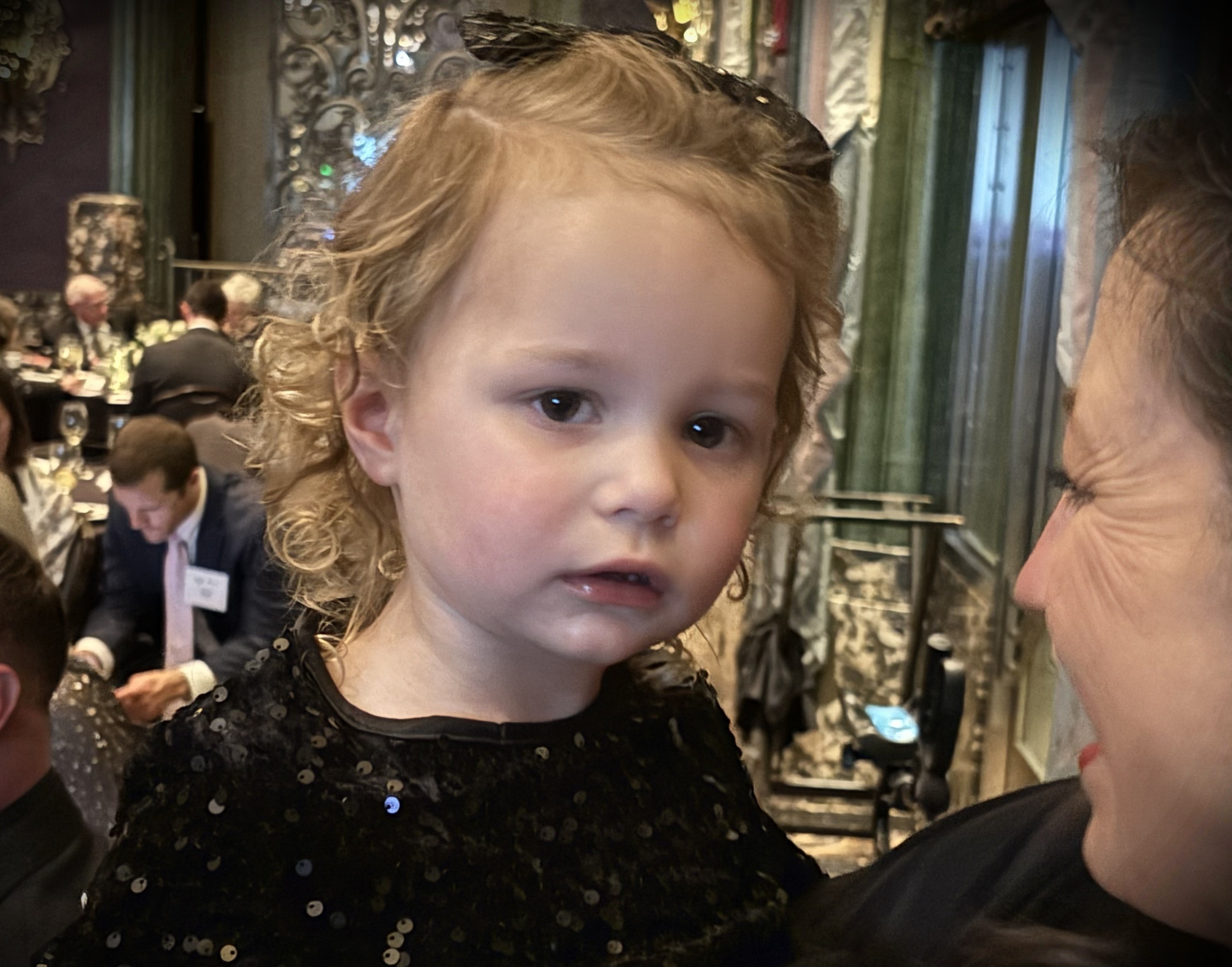
Sierra told those listening to her story at the Heartbeat event that none of her fears became a reality - and that something changed her during this time.
“The people who were with me during the scariest and most vulnerable time of my life - the person who put the sign out there that day, the APR women who answered the phone, the doctor, the women’s center nurse - those complete strangers showed me a love I had never known, the tangible heart of God,” she said. “Those people were truly the hands and feet of Jesus for me.”
“Even though they didn’t understand my decision, even though they didn’t support abortion, they still met me with exactly what I needed at the time,” said Sierra, “compassion, patience, hope, and love.”
She said she knew that the reason her baby still had a heartbeat was because of God’s mercy, but also because someone had created a place where women like her could find hope when fear was consuming them.
Tweet This: The Abortion Pill Rescue Network met me with exactly what I needed at the time - compassion, patience, hope, and love - APR mom.
The opposite of fear is love and hope
Sierra received endless support ongoing between Heartbeat International, the APRN, and Pregnancy Decision Health Centers.
“Some of those people are like family to me to this day,” she said.
Sierra told her audience that fear can make you do things you never thought you would and that the opposite of fear is love and hope.
“Love that shows up, stays, and reminds you that you are not alone,” she said. “Hope that meets you in the middle of fear and tells you it’s not too late.”
Sierra has shared her story numerous times and said that if it helps even one other woman realize it’s not too late to try and save her child with APR, then it is worth it.
“Because sometimes all someone needs is to know they aren’t alone,” she said. “And sometimes that comes through a voice on the other end of a phone, sometimes it comes through a nurse, sometimes through a pregnancy center, and sometimes through a sign on the side of the road.”
“Today, God's faithfulness shines through all over my life,” Sierra said, “in ways I could never imagine.”
Editor's note: Heartbeat International manages the Abortion Pill Rescue® Network (APRN) and Pregnancy Help News. Heartbeat is currently the subject of two lawsuits brought by state AGs concerning sharing information about APR.