



Chemical abortion drugs were the subject of a U.S. Senate Committee hearing this week as pro-life and pregnancy help advocates continue to press the federal government to reinstate safety standards for the drugs and abortion proponents push for less oversight.
Heartbeat International weighed in saying the hearing exposed that chemical abortion harms women.
“Today’s briefing established what we already know,” Heartbeat President Jor-El Godsey said. “Women across our country face profound harms from the use and coercive abuse of chemical abortion drugs.”
Heartbeat International is the largest network of pregnancy help organizations in the U.S. and worldwide, providing support, training, and resources for these organizations to enable women and families to choose life. Heartbeat also manages the Abortion Pill Rescue Network, providing a 24/7 helpline and access to a network of medical professionals to help women seeking to reverse chemical abortions.
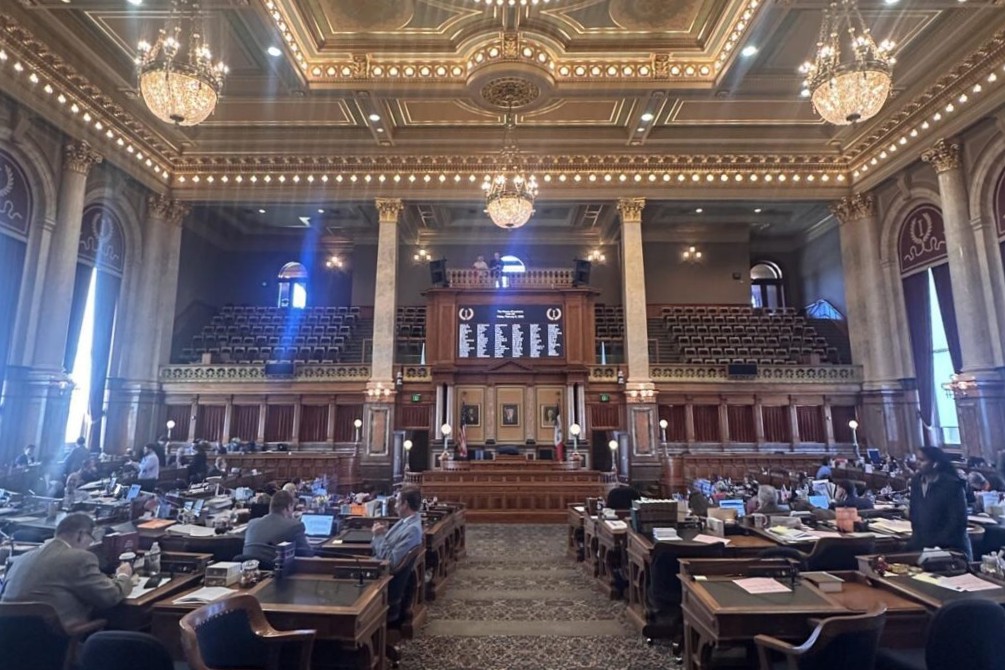
The Senate Committee on Health, Education, Labor and Pensions (HELP) conducted the hearing titled Protecting Women: Exposing the Dangers of Chemical Abortion Drugs Wednesday.
Safety issues have surrounded chemical abortion drugs since the approval of mifepristone in 2000. The concern intensified with the rollback of some of the safety protocols with the drug
[Click here to subscribe to Pregnancy Help News!]
Mifepristone is the first of two drugs in a chemical abortion. Chemical abortion has topped surgical abortion as the most common method in the U.S., enabled through unbridled ease of access and minimal oversight. Chemical abortion has been shown to be four times more dangerous than surgical abortion.
Landmark analysis released in April of last year of 865,000 insurance claims of women who were prescribed mifepristone abortions between 2017 and 2023 found that mifepristone is 22 times more dangerous than previously recognized in FDA data. The report by conservative think tank Ethics and Public Policy Center (EPPC) said that nearly 11% of women experience sepsis, infection, hemorrhaging, or another serious adverse event within 45 days of taking the drug.
The FDA employs a drug safety program called REMS (Risk Evaluation and Mitigation Strategies) for medications “with serious safety concerns” to ensure the benefits of the drug outweigh its risks. Of the 20,000+ prescription drugs approved by the FDA, only 74 drugs have been deemed dangerous enough by the FDA to merit a REMS restriction - and mifepristone is among them.
Some argue that mifepristone’s approved was hurried, ran counter to science and law, and affected by politics.
The FDA then loosened its own safety standards on the drug in 2016 under President Barack Obama and 2021 under President Joe Biden. Part of this reduction of safety standards has included eliminating the requirement that abortion providers report non-fatal adverse events to the FDA Adverse Event Reporting System.
The safeguards for mifepristone removed by the FDA over the last nine years include an initial in-person doctor visit to rule out ectopic pregnancy and other serious conditions, and a follow-up visit to check for life-threatening complications, such as internal bleeding and infection.
The FDA then further lessened its REMS requirements for chemical abortion drugs, permitting them to be dispensed by pharmacies and delivered via mail. The Biden administration made access to the drug without in-person dispensing permanent in 2023.
Abortion supporters claim mifepristone is as safe as Tylenol and also argue that safety regulations for the drug impede access.
FDA data shows that at least 32 women have died following mifepristone use between the drug’s approval in 2000 and 2022.
Pro-life concerns have also included the probability of the drug being used in human trafficking and other scenarios involving abuse or coercion.
Since mifepristone access has become all but unregulated women have reported being poisoned by partners or other abusers, and in one extreme case an Ohio medical resident has been indicted for procuring abortion pills online with his estranged wife’s name and compelling his pregnant girlfriend to consume them.
Health and Human Services Secretary Robert F. Kennedy, Jr. said on the day of his confirmation that President Donald Trump had asked him to study the safety of mifepristone. He later said the FDA should change the label on mifepristone and conduct a top-to-bottom review of the drug. Kennedy also said in September of last year that the Biden administration misrepresented the data on mifepristone to obscure safety issues with the drug.
FDA Commissioner Dr. Marty Makary said during his confirmation hearing last year that he would take a "solid, hard look" at the data on mifepristone. After later stating he had no plans to take action on mifepristone Makary then confirmed the FDA would conduct a review of mifepristone.
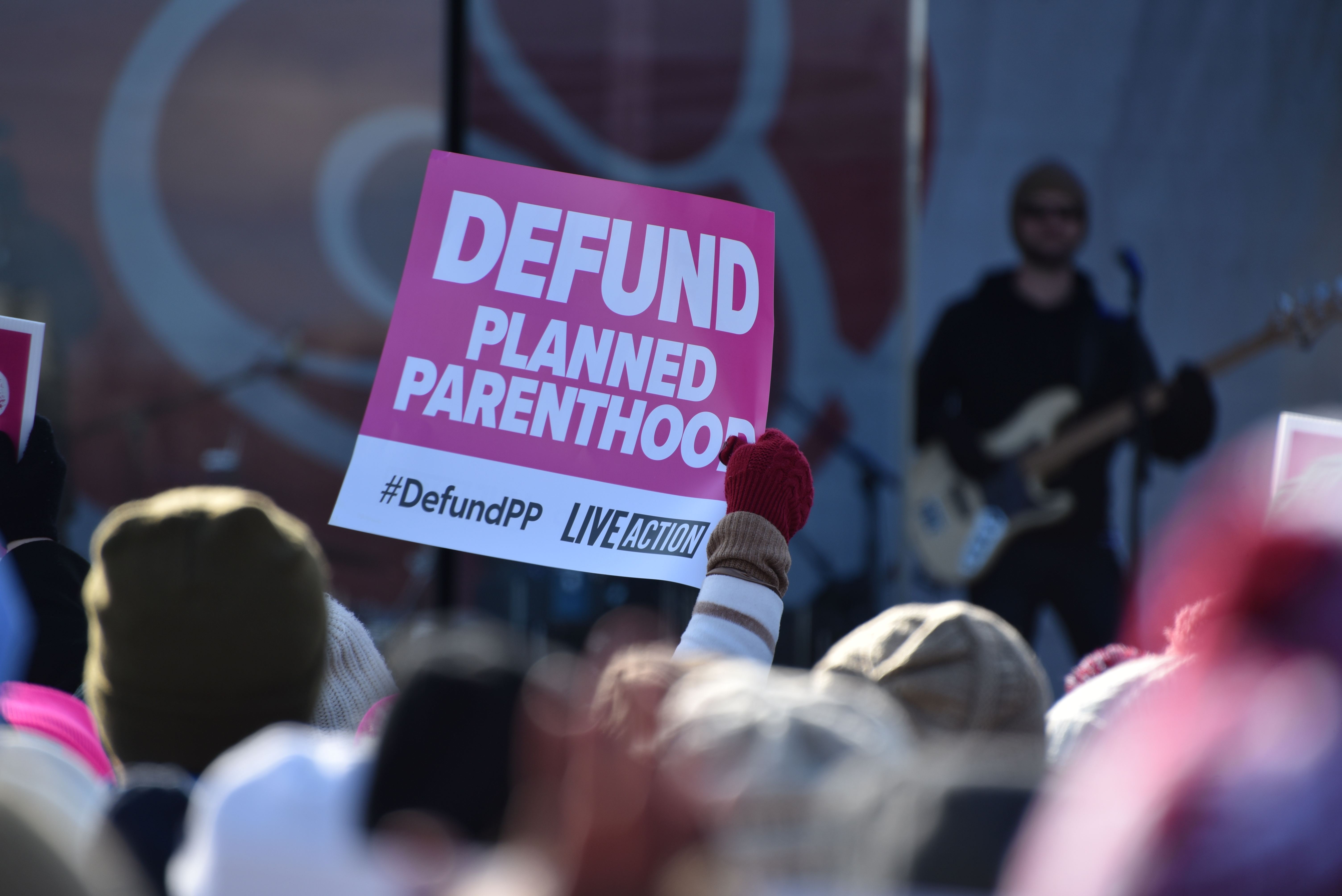
Pro-life advocates and public servants have become frustrated with the FDA handling of mifepristone and its safety issues.
The January 14 Senate HELP Committee hearing was led by Chairman Bill Cassidy (R-LA) and included testimony from three witnesses, Louisiana Attorney General Liz Murrill and Monique Chireau Wubbenhorst, M.D. an OB-GYN and senior research associate with the Notre Dame Center for Ethics and Culture, and Nisha Verma, M.D., a fellow with abortion-affirming Physicians for Reproductive Health.
Murrill testified on the dangers of mail-ordered abortion drugs and shared real life stories of women and girls coerced or drugged with the abortion pill in her state.
“A few examples from Louisiana include a woman who was coerced to abort her wanted baby. Multiple elements of that by partners or parents,” Murrill said. “A pregnant woman who took pills that Margaret Carpenter from New York mailed to her at 20 weeks' gestation and ended up in the emergency room while her baby was left in a dumpster. Another 20-week-old pregnancy. The baby was found recovered in a toilet.”
Wubbenhorst suggested that the Department of Justice should enforce the Comstock Act in regard to chemical abortion pills.
"The Comstock Act, which prohibits the mailing of abortifacient drugs through USPS, should be enforced," Wubbenhorst said. "Self-administered and telemedicine abortion [ ] are associated with serious medical and social risks to women and girls. Similar to the mailing of illicit narcotics, the mailing of abortifacient drugs should be restricted in order to protect the health of women and children and prevent coercion, trafficking, abuse and forced abortion."
Verma gave testimony that mifepristone was safe and effective.
Senators on the committee each had a turn to question witnesses and share their own point of view on the topic.
Cassidy argued there were "no safeguards" against coercion and that current practices, such as mailing the medication, were "below the standard of care."
"Republican members of this committee and many other senators expect an answer," Cassidy said of the federal government’s pledges to review mifepristone’s safety. "At an absolute minimum, the previous in person safeguards should be restored and it should be done immediately."
Sen. Roger Marshall (R-Kan.), an OB-GYN, affirmed the need for ultrasound care while dispensing abortion drugs.
“Telehealth -- taking care of ectopic pregnancies -- threatening miscarriages, prescribing abortion pills, is below the standard of care,” Marshall said, adding, “You’re putting women’s lives in danger.”
Senator Jon Husted (R-Ohio) offered his own experience going through foster care and adoption and shared how his father had pressured his mother to abort him. He indicated his concern over how the new widespread dispensing of chemical abortion drugs would likely make those stories of coercion much more common.
Democrats dismissed the EPPC’s research indicating the real-world rate of serious adverse events for mifepristone abortions is at least 22 times as high as the FDA's acknoweledged figure of less than 0.5 percent, and mocked pro-life groups for expressed concern over chemical abortion drugs contaminating the water supply.
Senator Maggie Hassan (D-N.H.) accused Republicans of "gaslighting at the highest level" and blamed pro-life laws for creating maternal health and reproductive health deserts.
Jessica Prol Smith, director of Government Relations for Heartbeat International, reacted to abortion proponents' theatrics and ideology factoring into the hearing and the larger issue, also noting how polling indicates Americans see the need for appropriate regulation of mifepristone.
“The Senate’s hearing on chemical abortion was unsurprisingly contentious," Prol Smith said. "But while Democrats slammed Republicans for “gaslighting,” it was Sen. Josh Hawley’s viral moment - pressing a pro-abortion OB-GYN on whether or not men can get pregnant – that most powerfully illustrated the Left’s gaslighting on these issues."
“The original question, from Sen. Ashley Moody, raised a vital and common sense question about why men – who presumably can’t get pregnant – are accessing abortion drugs for the women in their lives," Prol Smith explained.
“Chairman Cassidy spoke about finding common ground," she said. "It’s difficult to do so, but recent polling suggests that ‘Seven in 10 voters agree it "makes sense" to bring back the safety protocols that the FDA had previously removed [and] approve of requiring a doctor visit to receive a prescription for abortion drugs.’ Starting with these common sense reforms will protect the women our pregnancy help organizations serve every day.”
Godsey commented further that the pregnancy help network had direct knowledge of the harm possible with chemical abortion drugs.
“Our affiliated nurses and consultants within the pregnancy help movement have firsthand knowledge of how these reckless changes have empowered traffickers and abusers, endangered minors, and left women to suffer complications — including hemorrhage, incomplete abortion, and infection — alone and without medical care,” he said.
“Our concerns about chemical abortion drugs do not stem from a so-called ‘discomfort with abortion,’ Godsey said, “but a steadfast commitment to providing women, families, and unborn children with the dignity, compassion, and scientifically supported care they deserve.”
Tweet This: Our concerns about chemical abortion drugs stem from commitment to providing women, families, and unborn children with compassion, and care.
Godsey added that the Abortion Pill Rescue® Network will continue to provide life-affirming alternatives to women who regret taking that first abortion drug and wish to continue their pregnancies.
“We respectfully urge the FDA to reconsider its regulation of abortion drugs and begin by reinstating in-person dispensing,” he said.
Editor's note: Heartbeat International manages the Abortion Pill Rescue® Network (APRN) and Pregnancy Help News. Heartbeat is the subject of two lawsuits brought by state AGs concerning sharing information about Abortion Pill Reversal. This article has been updated with additional detail.