




Heartbeat International continued its efforts to defend Abortion Pill Reversal (APR) this week as court cases in California and New York centered on the right for women to have comprehensive information related to pregnancy and abortion move forward.
The two cases present a significant opportunity to affirm the right to share truthful, life-affirming information with women.
Hearings in the two cases come as abortion providers increasingly shift to telehealth and mail-order distribution of abortion pills, often leaving women without immediate, in-person support when they experience regret.
Heartbeat’s Abortion Pill Rescue Network, a network of approximately 1,500 healthcare professionals, pregnancy centers, and hospitals that administer the APR protocol, meets women in that moment, offering real-time information and connections to medical professionals.
[Click here to subscribe to Pregnancy Help News!]
On April 15, Heartbeat defended APR in New York in James v. Heartbeat International, et al.
Heartbeat, the largest network of pregnancy help organizations in the U.S. and globally, along with a dozen pregnancy centers, and represented by legal non-profit Thomas More Society, asked the judge to dismiss what they contend is an unconstitutional attempt by New York Attorney General Letitia James to silence protected speech.
The case threatens to the ability of pregnancy help organizations to share information about APR, a protocol using progesterone to counteract the effects of the first abortion pill when a woman changes her mind after starting a chemical abortion.
Progesterone has been used since the 1950s to combat miscarriage. APR is an updated application of this treatment for use with APR.
Statistics show that to date, more than 8,000 lives have been saved through the Abortion Pill Rescue Network.
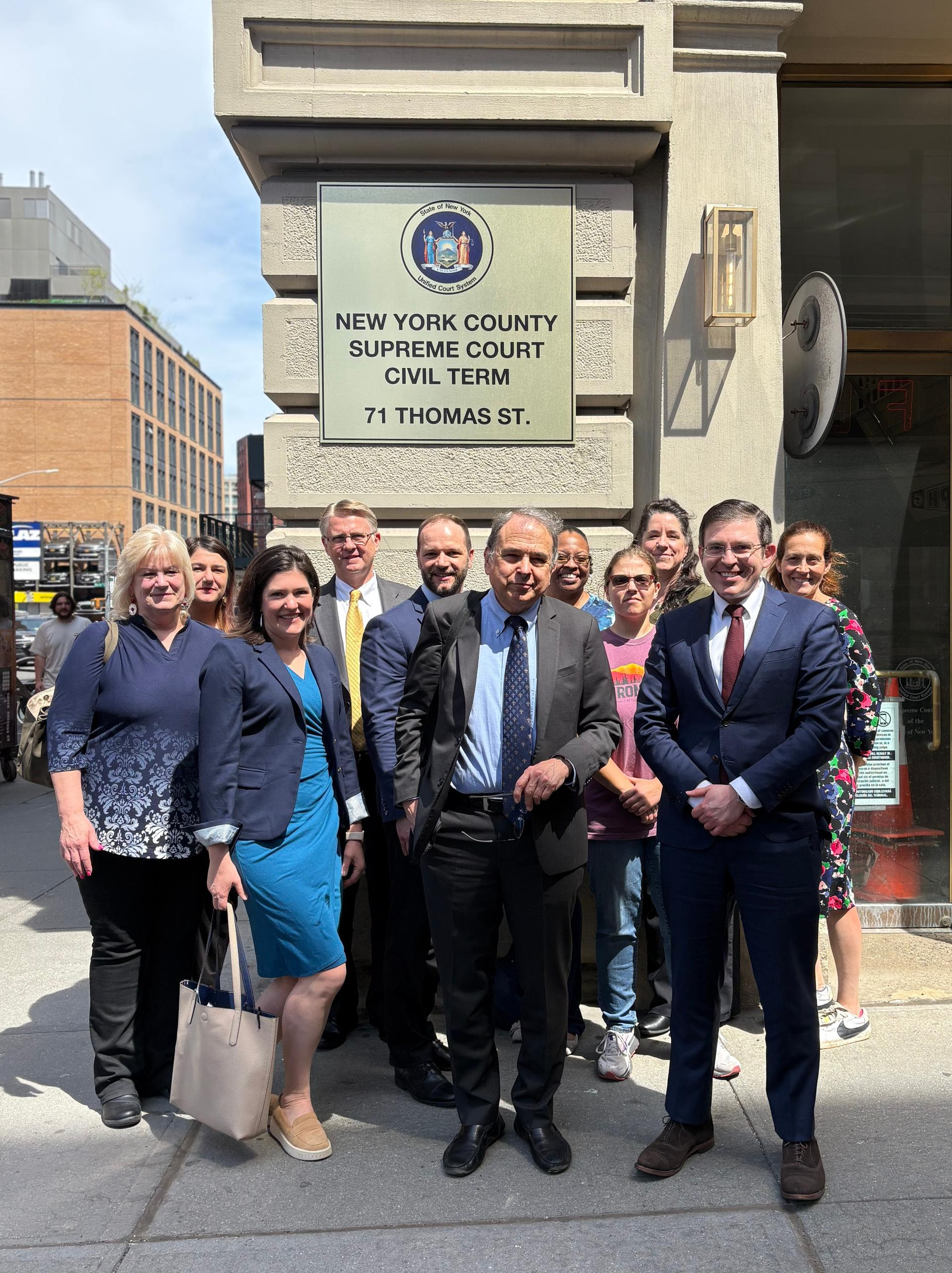
“We are encouraged by how the day unfolded,” Heartbeat International President Jor-El Godsey said.
At the center of the case is whether New York’s Attorney General can use the courts to target and silence speech, or whether protections against that kind of action apply here.
The judge indicated that his decision could hinge on whether or not the attorney general is, by a fair reading of New York state law, subject to the anti-SLAPP statute.
Anti-SLAPP (Strategic Lawsuits Against Public Participation) laws are designed to protect individuals and organizations from meritless, intimidating lawsuits intended to silence free speech on public issues. These laws allow defendants to file a special motion to quickly dismiss such cases, at times enabling them to recover attorney fees.
Heartbeat’s attorneys argue that this tool applies in this situation - when a powerful interest is targeting small organizations based on “disfavored” speech.
The judge in the New York case directed both parties to submit more briefing on the topic of how the Supreme Court’s decision Chiles v. Salazar may or may not affect Heartbeat’s arguments regarding free speech about APR.
In its March 31 ruling in Chiles v. Salazar the Supreme Court in the case concerning Colorado law found that the government may not silence voluntary conversations about biological reality in the counseling room, upholding Christian counselor Kaley Chiles’s First Amendment rights, which the Court found had incorrectly regulated speech based on viewpoint.
Heartbeat International attorneys argue that Chiles applies in James v. Heartbeat International, et al., making it clear that governments cannot censor speech - even in the medical context - based on content or viewpoint.
“There is also a meaningful development we could not have anticipated when this hearing was first scheduled,” Godsey said. “The recent Supreme Court decision in Chiles v. Salazar may directly impact not only the New York case, but the California case as well.”
The court in New York has now asked both sides to submit additional briefing on how this decision should be applied.
The judge intends to issue a written opinion after May 20.
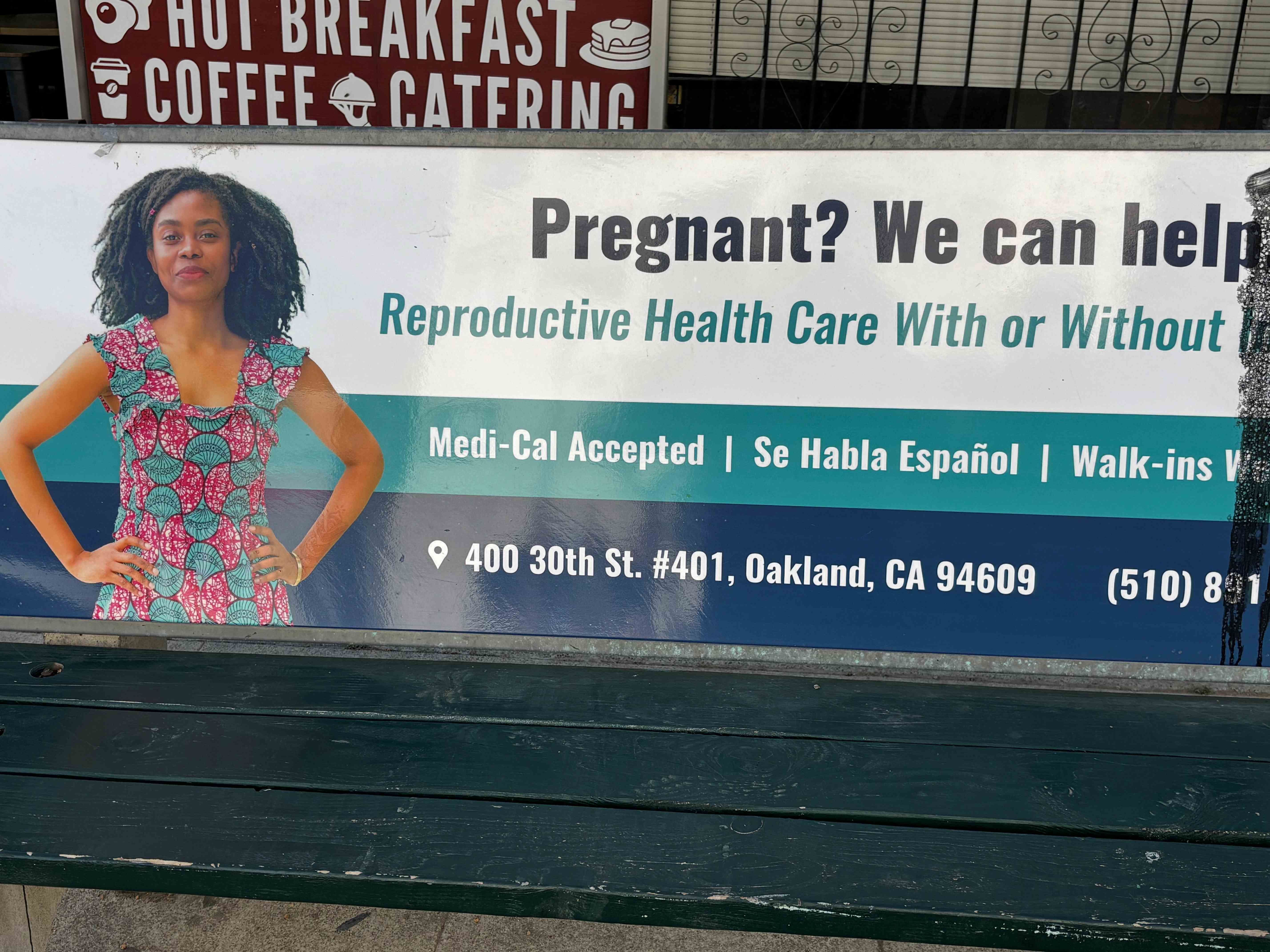
In the California case, People v. Heartbeat International, et al., a hearing was scheduled for a request by Thomas More Society attorneys for April 15 on behalf of Heartbeat and RealOptions Obria for summary judgment, where the court was to consider whether the case can be resolved without trial.
Heartbeat International first learned on September 21, 2023, that California Attorney General Rob Bonta was suing to block Heartbeat and RealOptions from “advertising Abortion Pill Reversal as safe and effective.”
On April 14, the April 15 hearing was moved to April 17. The court then continued the hearing on April 16 to April 29. Pending a decision on summary judgment, a trial date for the case of June 1, 2026, has been scheduled.
Heartbeat International and the New York and California pregnancy centers remain committed to ensuring that women across the United States can access compassionate care, accurate information, and the support they need when facing unexpected pregnancies.
“Women deserve the freedom to make fully informed decisions about their pregnancies, including the opportunity to reverse a chemical abortion if they regret starting it,” Godsey said.
“The government cannot silence our speech simply because it disfavors our viewpoint,” Heartbeat International General Counsel Danielle White added.
Tweet This: Women deserve the freedom to make fully informed decisions about their pregnancies, including the opportunity to reverse a chemical abortion
Heartbeat encourages prayer in both cases for a just outcome that protects women choosing life and protects the rights of pregnancy help organizations.
Editor's note: Heartbeat International manages the Abortion Pill Rescue® Network (APRN) and Pregnancy Help News. Heartbeat is currently the subject of two lawsuits brought by state AGs concerning sharing information about Abortion Pill Reversal.