




As reports of coerced and forced abortion via chemical abortion drugs continue to surface the largest network of pregnancy help organizations in the U.S. and internationally has expanded its resource for women who have started a chemical abortion and wish to try to save their child.
Heartbeat International manages the Abortion Pill Rescue Network (APRN), a network of nearly 1,500 healthcare professionals, pregnancy centers and hospitals worldwide that administer the Abortion Pill Reversal (APR) protocol along with the APR hotline and corresponding website.
APR consists of prescribing bioidentical progesterone when a woman has taken the first of two drugs in a chemical abortion to counter the effects of the first drug, mifepristone. Statistics show that more than 8,000 lives have been saved through APR and counting.
[Click here to subscribe to Pregnancy Help News!]
Chemical abortion comprises at least 63% of abortions in the U.S., with some estimates significantly higher. With its largely unregulated status currently the opportunity is great for abuse.
About 200 women call the APRN each month and start Abortion Pill Reversal, amounting to six reversal starts a day. In conversing with those women and others who contact the APRN hotline, Heartbeat’s Medical Impact team members are hearing about more women who feel pressured into abortions they do not want, according to Christa Brown, Heartbeat’s senior director of Medical Impact who oversees the Abortion Pill Rescue Network, many coerced or forced abortions, and they are increasingly hearing from women who believe they are being poisoned with abortion drugs.
This was the impetus for Heartbeat adding a new reproductive coercion webpage to its APR resources for women who suspect they may have been given abortion pills without their knowledge or consent, with information and resources to help them ensure their health and safety.
“Suspect you were given abortion pills without your knowledge?” the page begins. “You are not alone. Trust your instincts. Get help now. If you believe someone is trying to force you to take medication, has given you medication without your knowledge, or you fear for your safety, call or text 911 immediately.”
Brown shared some of the harrowing scenarios her team hers while serving on the APRN hotline.
“At the Abortion Pill Rescue Network, we receive calls from women who are held hostage in bedrooms, bathrooms and closets, who are in the middle of an abortion they never consented to,” Brown said.
This could be parents who purchase these drugs online subject their child to physical violence to force them to start their abortions, she said, or boyfriends buying the drugs to then force them into the mouths of women as an act of domestic violence. Other women are unknowingly poisoned by abortion drugs that are added to their food or drinks or switched for other drugs as well, and Brown emphasized how the APRN takes great care to see that women in these situations who reach out get the help they need.
“We work to ensure immediate safety for these women who are often broken by an abuser who has given them no choices and an abortion industry without guardrails,” she said.
Coerced and forced abortion through chemical abortion drugs, including clandestine poisoning of women, have become increasingly more common as the drugs are available online without a doctor visit or proof of identity following the FDA under the Obama and Biden administrations loosened established safety standards. Trump administration officials have pledged to review the safety issues around mifepristone, but that review has yet to come.
Heartbeat International President Jor-El Godsey remarked on the danger this lax regulation of abortion drugs places women in.
"It is said, 'Ideas have consequences. Bad ideas have victims,'” Godsey said. “Eliminating common-sense safeguards is already resulting in women being victimized by unscrupulous individuals.”
Tweet This: Eliminating common-sense safeguards for chemical abortion drugs is already resulting in women being victimized by unscrupulous individuals.
“In addition to the direct dangers of abortion pills, their rampant accessibility too easily enables women to be preyed upon,” he said. “This administration should act with haste to protect women from the evils perpetrated by Big Abortion."
Brown echoed the thought that the lack of regulation of mifepristone puts women at risk.
“For more and more women around the world, abortion is not a choice but rather an act of control and violence inflicted on them,” she said. “Because of the wide accessibility of chemical abortion pills, there is an increase in its use to abuse women and end the lives of their preborn children. You no longer have to be female, pregnant, or within a certain gestational age to order these drugs. Instead, anyone with a credit card now has access to make a purchase and have it delivered quickly to their doorstep.”
Brown underscored the importance of providing information, support, and services to women who have been victimized with abortion drugs.
“It can be challenging for women to believe that someone they love may do this and it can be even more challenging to explain the situation in an emergency department,” she said. “It's important that their concerns are not dismissed. This website empowers women with information about reproductive coercion, warning signs of abuse, and what to do if they are poisoned.”
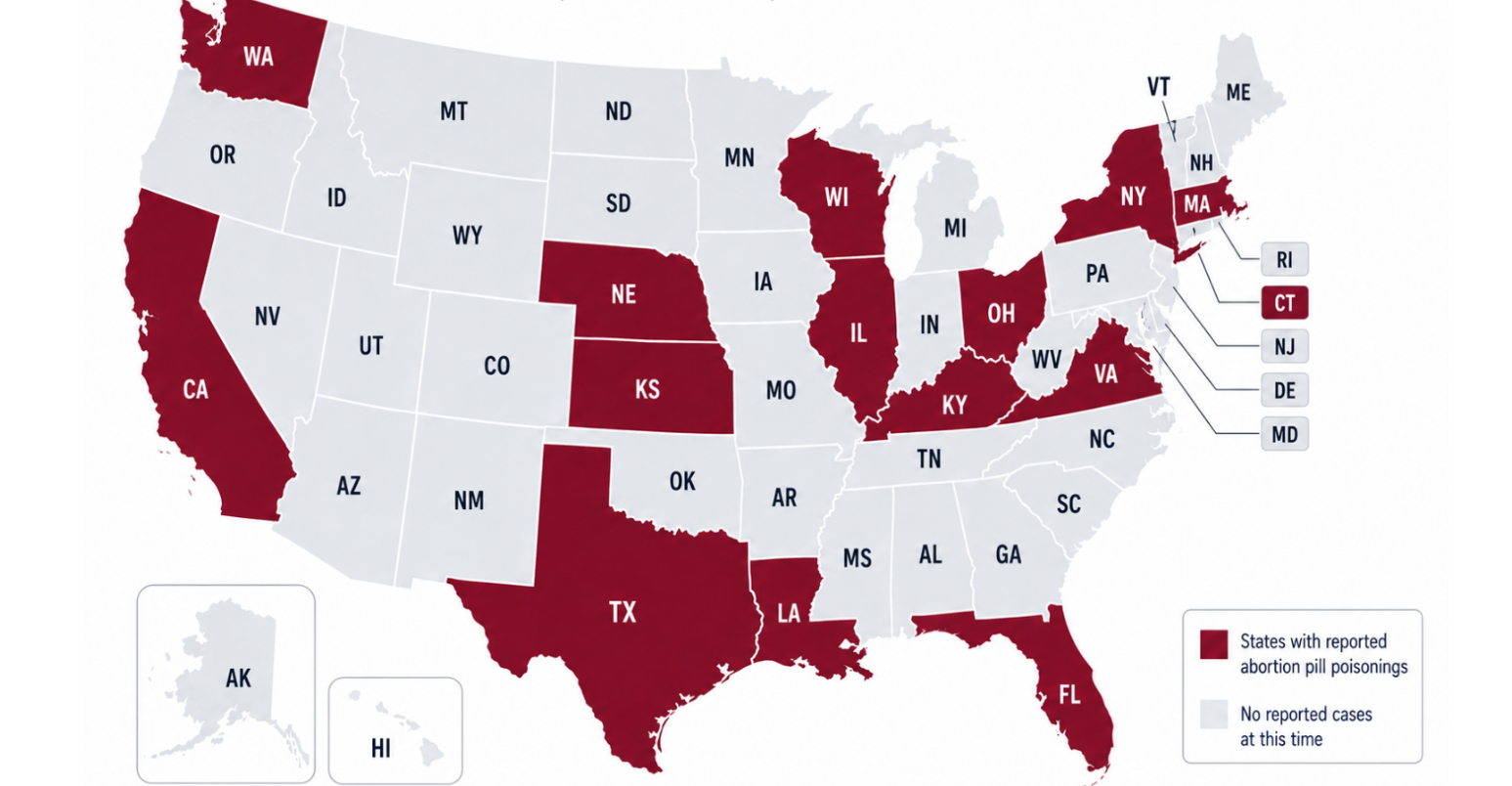
The reproductive coercion webpage on the APR website follows Heartbeat having established a national tracker documenting reported abortion pill poisonings and forced abortions.
"Studies show that nearly 70% of women who get an abortion described their experience inconsistent with their own values,” said Brown. “One in four women describe the abortion as coerced or unwanted. Readily accessible abortion empowers those who abuse, traffic, and pimp women. Women deserve to be protected from this reproductive coercion and violence.”
Editor's note: Heartbeat International manages the Abortion Pill Rescue® Network (APRN) and Pregnancy Help News. Heartbeat is currently the subject of two lawsuits brought by state AGs concerning sharing information about Abortion Pill Reversal.