



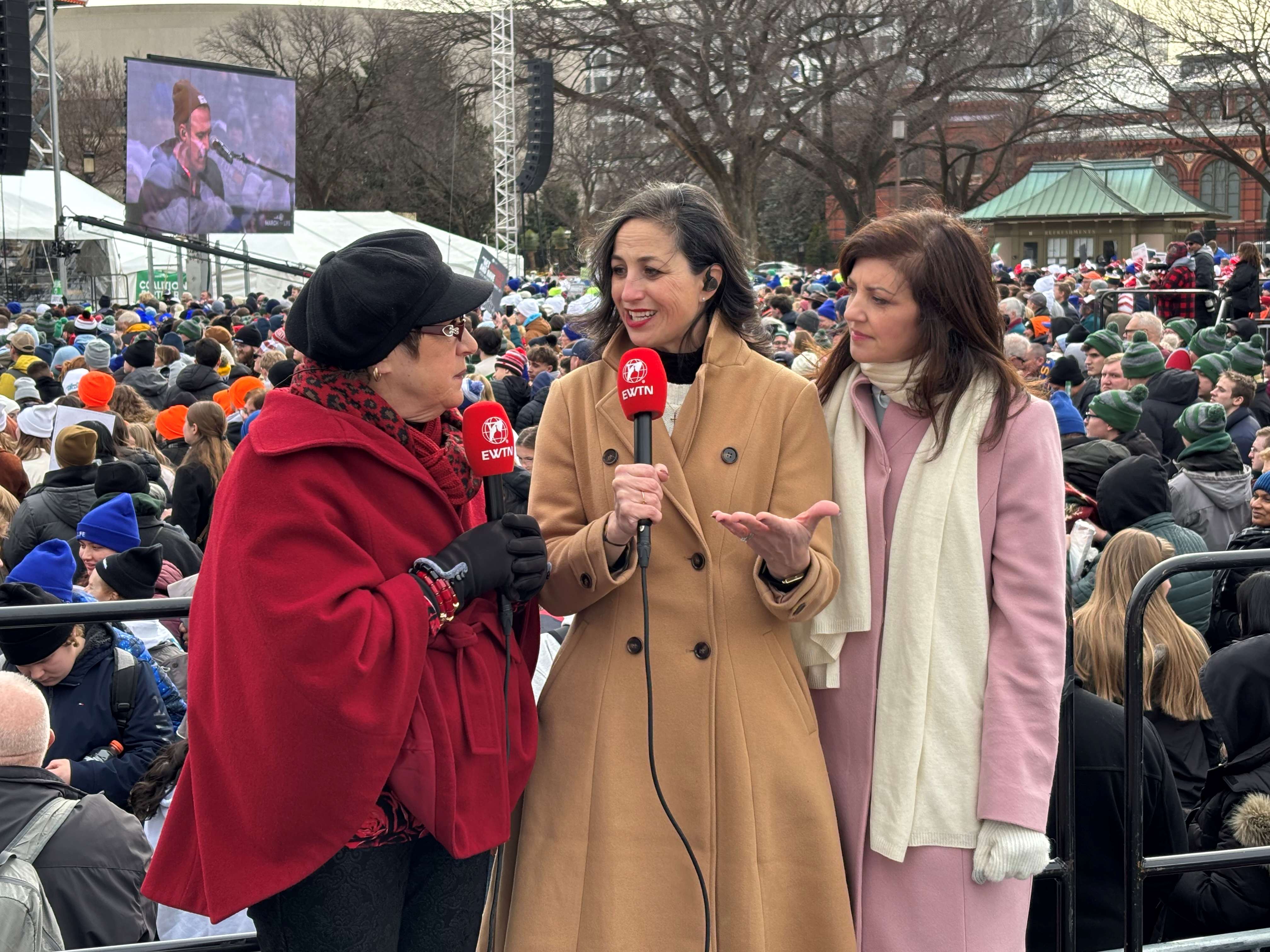
Pregnancy help and Abortion Pill Reversal were front and center on broadcast television as EWTN host Teresa Thomeo welcomed Heartbeat International’s Andrea Trudden on-air leading up to the March for Life. The conversation held on site at the March rally also touched on the rising problem of chemical abortion and its paving the way for abuse of women, as Trudden was joined in the discussion by a survivor of chemical abortion poisoning, Catherine Pressly Herring.
Tomeo introduced the segment describing Heartbeat International as “heroes,” saying the interview was “very special” for her owing to her history with Heartbeat, having spoken and performed media trainings at Heartbeat’s Annual Pregnancy Help Conference.
Tomeo mused that many individuals among the March for Life crowd would likely have association with Heartbeat through connections to pregnancy help and asked about Heartbeat’s witness to life during March for Life week.
Trudden explained that Heartbeat had the opportunity to meet with different Congressional offices and share about pregnancy help and the advancements over this past year, along with connecting with pro-life partners in town for the March.
“It’s been a huge year of growth,’ she said, of various Heartbeat initiatives.
“People are reaching out more and more,” Trudden told Tomeo. “Last year alone, more than two million women and men contacted our Option Line to connect with pregnancy centers. That's five times the year before.”
“So, we're seeing people searching for life-affirming care, and that's been a wonderful opportunity,” said Trudden, VP of Communications & Marketing for Heartbeat, the largest network of pregnancy help organizations in the U.S. and globally.
[Click here to subscribe to Pregnancy Help News!]
Trudden noted there have been good things accomplished by the Trump administration that have been helpful for the pregnancy help movement, expressing that there was desire for more, and so Heartbeat team members were making use of time in the Nation’s Capital to advocate for that.
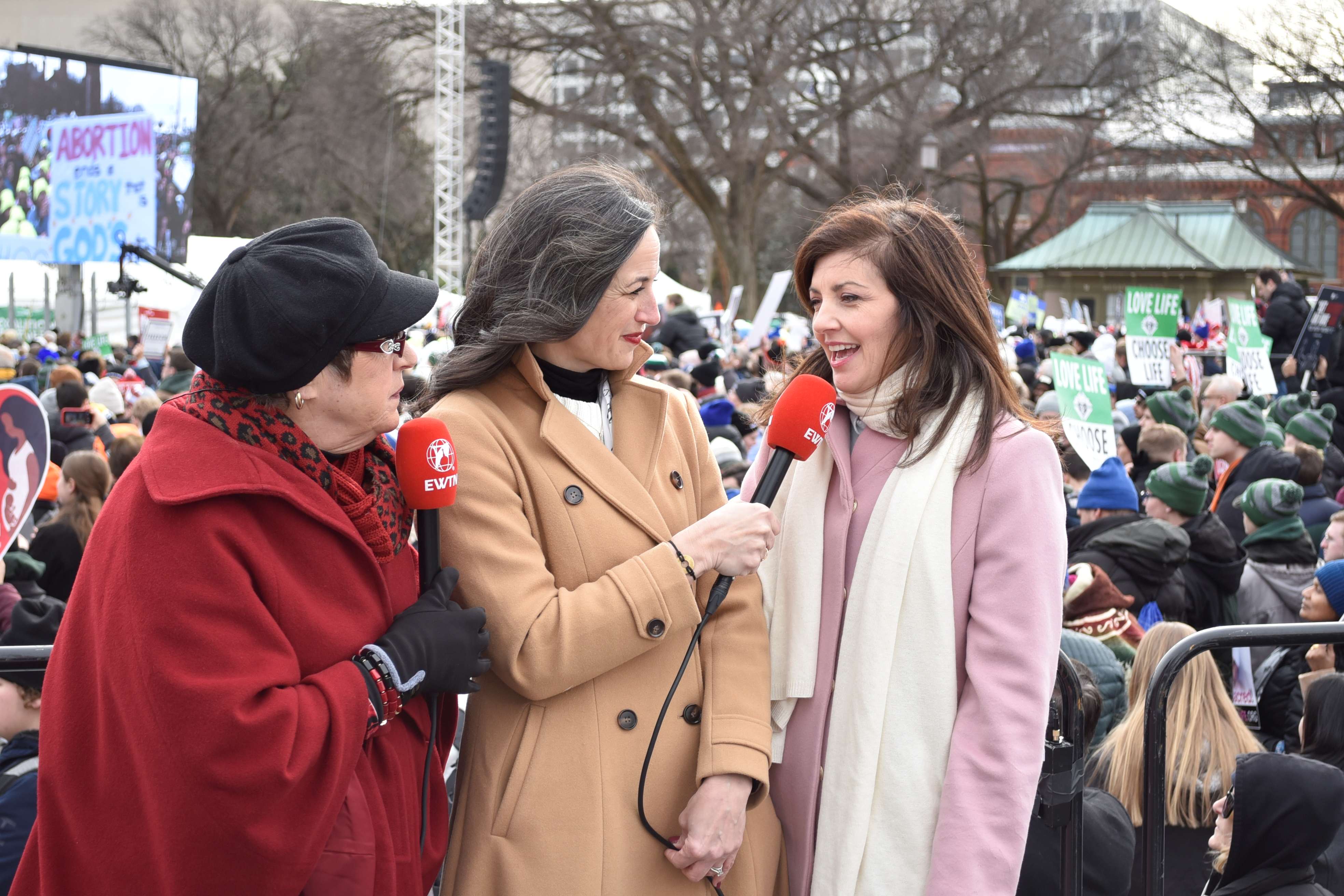
Herring, who speaks out on behalf of domestic abuse victims and against coerced abortion and for the need for chemical abortion safety regulation review, shared her story for the EWTN audience.
Herring’s ex-husband had put chemical abortion drugs in a glass of water for her and attempted to poison her six more times before he was arrested. A subsequent drink tested positive for misoprostol.
After the initial poisoning, Herring contacted the Abortion Pill Rescue Network (APRN), managed by Heartbeat International, and a nurse there walked her through the process of Abortion Pill Reversal.
Herring took progesterone and later gave birth to her daughter who is now three years old.
The APRN nurse encouraged Herring to go to the emergency room during their discussion. Herring was very ill from the drugs put in her drink.
Herring has been able to tell her story in states like Louisiana and Arkansas to help stop forced abortion, Trudden explained.
Tomeo noted that abortion supporters claim to support choice for women, and yet Herring’s story was a contradiction of choice.
Trudden explained how Heartbeat was working with partners in Washington, D.C. and pro-life cohorts around the world to get the word out about coerced abortion.
“We hear the stories, we follow along,” Trudden said. “We know that there have been multiple counts now where women have been poisoned by their boyfriends. Sadly, but thankfully, Josephine is the only baby that we know who has survived that at this point.”
“It's something that we are educating people on,” she added.
“But we want to be certain that people do know about Abortion Pill Reversal so that they do have a chance in those situations,” Trudden said.
The Abortion Pill Rescue Network is made up of nearly 1,500 healthcare professionals, pregnancy centers, and hospitals that administer the APR protocol. About 200 women who call the APRN each month start Abortion Pill Reversal, equating to six reversal starts a day.
“The FDA really does need to be looking at things,” Trudden said, referencing the lax regulation surrounding chemical abortion drugs that is the focus of much controversy.
“They need to be putting in stricter regulations so that doctors are involved so that these harms to women are as minimal as possible in the situation,” she said.
Tweet This: The FDA really does need to be looking at chemical abortion drugs.
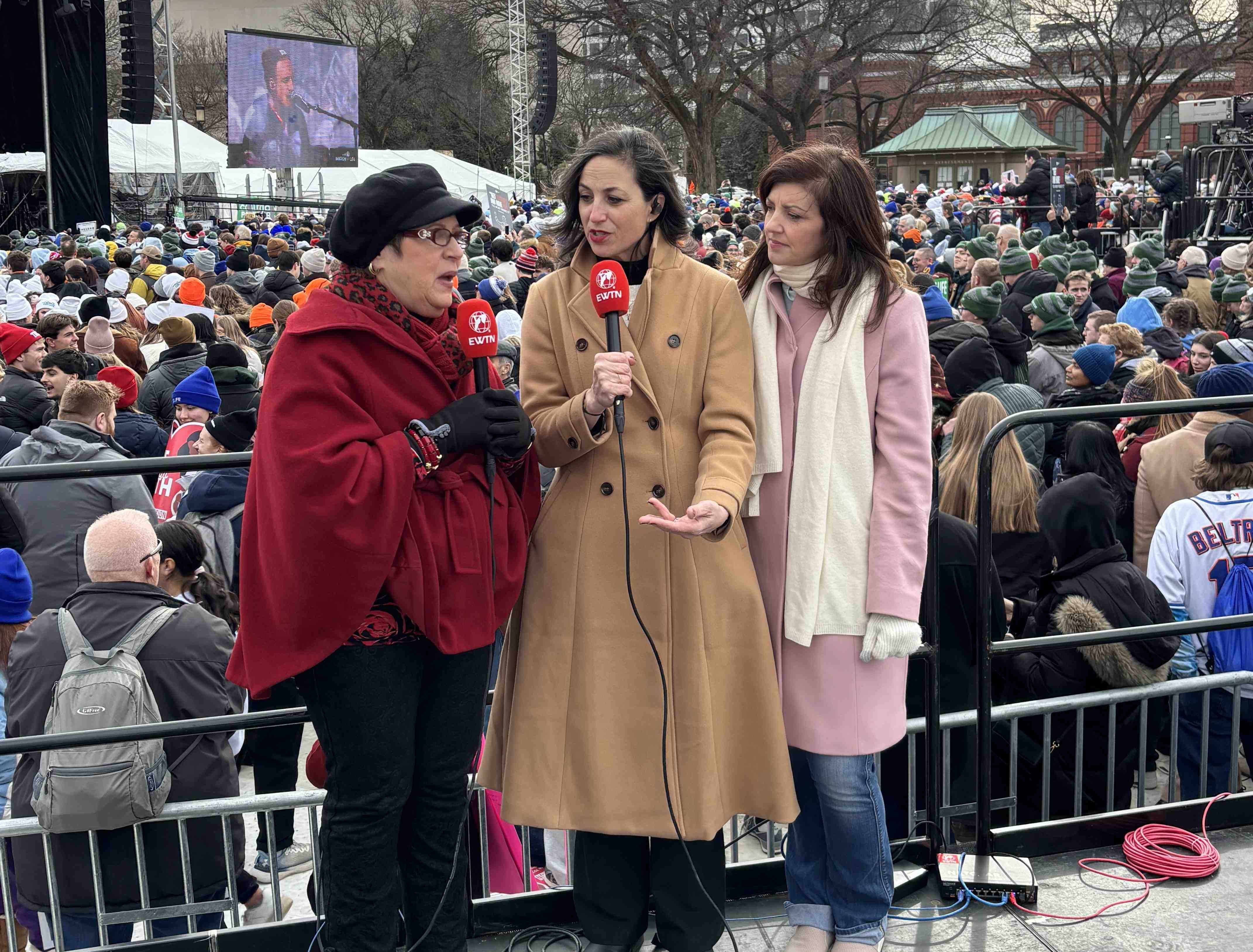
Tomeo remarked that this issue is often coming up in interviews.
“So, coercion and forced abortion, that's unacceptable,” Trudden said. “And for anybody to try to justify it, it's really problematic. So, we're doing what we can to educate so that people can see the dangers and hopefully do some things to right this so that no more women get hurt in this way.”
“And what you do at the pregnancy resource centers is so amazing,” Tomeo said. “It's always frustrating when people accuse us of not caring about the woman when everything you do in addition - obviously, they're trying to save the life of the baby - is to help the woman, is to help the family, is to help the parents and on and on and on and on.”
“Absolutely,” Trudden concurred. “And our pregnancy help organizations are there to follow and walk through this pregnancy, and then beyond that for many years, in some cases, or to even provide housing. We also have maternity homes as our affiliates, our affiliates around the world.”
“We really do strive to do anything and everything that we can to care for these women so that no woman feels abortion is her only option,” she said,
Tomeo said it is amazing how much Heartbeat has grown, asking how many pregnancy centers there are in the country now.
“We actually just eclipsed 4,000 affiliates worldwide, about 2,200 of them are in the States,” said Trudden. “And that does include our maternity homes and nonprofit adoption agencies. There's about, in the U.S., affiliated with Heartbeat and not, is about 3000.”
Tomeo asked Herring how people reacted upon hearing her story, and said she hoped they realized the impact.
Herring responded that she was grateful for having received bipartisan support when her story first surfaced, and that she’d been able to work with the Louisiana and Arkansas legislatures to protect women from coerced and forced abortions.
“And I hope to work with many more states,” she said.
Heartbeat International had presented a briefing on Capitol Hill on chemical abortion and Abortion Pill Reversal earlier in the week for Congressional staffers, and taken part in other events to similarly raise awareness.
Editor's note: Heartbeat International manages the Abortion Pill Rescue® Network (APRN) and Pregnancy Help News. Heartbeat is currently the subject of two lawsuits brought by state attorneys general concerning sharing information about Abortion Pill Reversal.